our partners




Get updates on mail
address
270 Angas St,
Adelaide SA 5000
Copyright © 2026 Bicycle SA. All Rights Reserved.
270 Angas St,
Adelaide SA 5000
Copyright © 2026 Bicycle SA. All Rights Reserved.
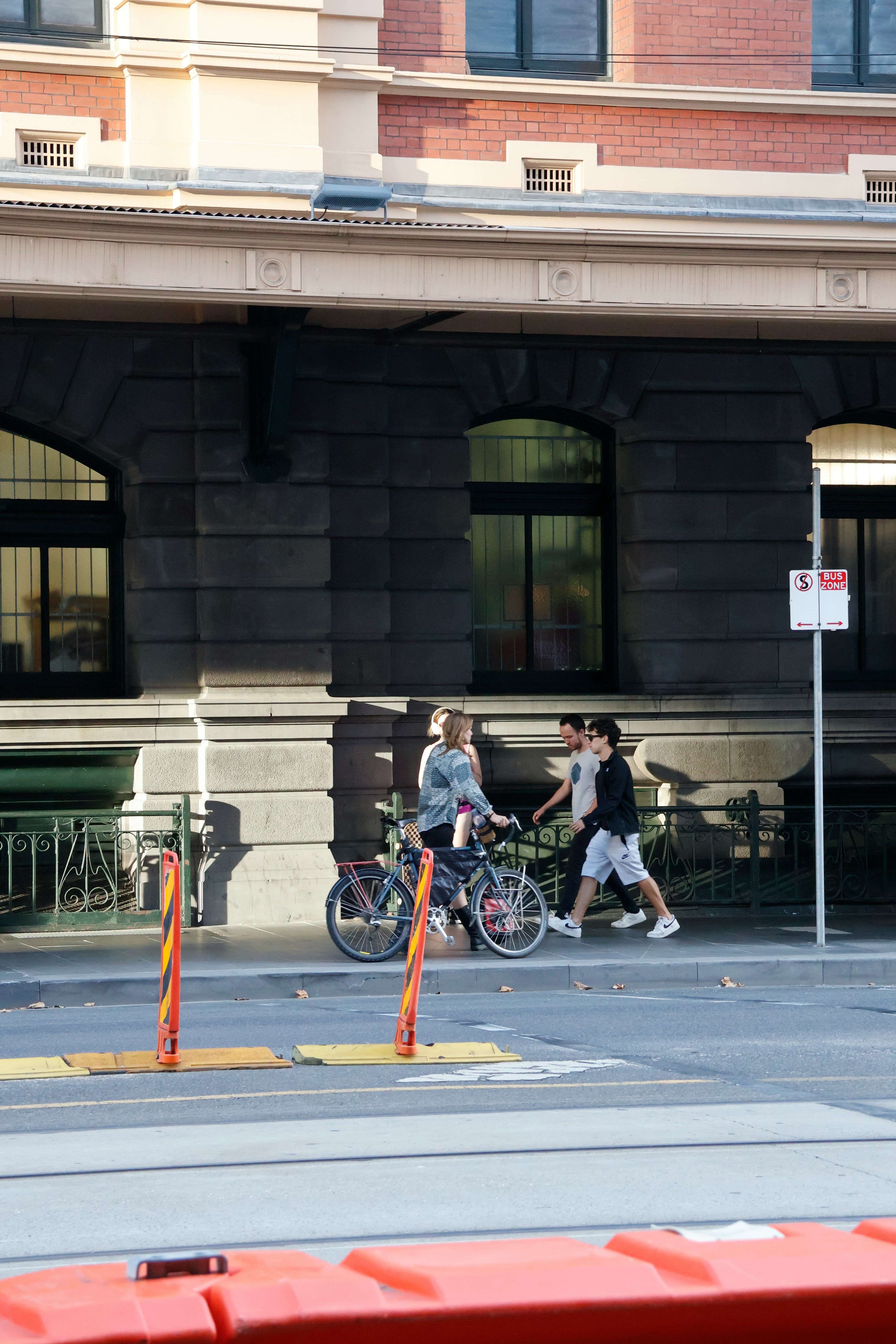
Many people want to know whether it is legal to ride a bicycle on the footpath. For children, new riders, and people who are not comfortable riding in traffic, footpaths can provide a practical and less stressful way to get around.
South Australia takes a relatively inclusive approach compared with some other states. Allowing people to ride on the footpath gives families, beginners, and occasional riders another option when navigating busy streets.
While it can feel safer than riding in traffic, footpaths are shared spaces. Riders should always be mindful that these areas are primarily designed for pedestrians and should be used in a way that keeps everyone safe.
How South Australia Compares
Footpath riding laws vary across Australia.
South Australia and New South Wales allow cyclists of any age to ride on the footpath. Other states take a more restrictive approach.
For example, in Victoria, adults are generally not permitted to ride on the footpath unless they are supervising a child under 12.
Allowing footpath riding helps more people access cycling for everyday trips, particularly when travelling short distances such as to school, local shops, or parks.
Footpaths vs Shared Paths
It is useful to understand the difference between footpaths and shared paths.
Footpaths are typically located beside roads and are primarily intended for pedestrians. In South Australia, cyclists are also allowed to ride on them unless signage states otherwise.
Shared paths are wider paths specifically designed for both pedestrians and cyclists.
Regardless of the path type, pedestrians always have priority and cyclists should ride at a safe and considerate speed.
Key Rules When Riding on the Footpath
Even though riding on the footpath is legal, cyclists must follow several important rules.
Give Way to Pedestrians
Pedestrians always have the right of way on footpaths and shared paths. Cyclists must slow down and give way when approaching people walking.
Extra care should be taken around children, older people, and people using mobility aids.
Ride at a Safe Speed
Footpaths can be narrow and may have limited visibility around corners, buildings, or landscaping. Riders should adjust their speed depending on pedestrian activity and the surrounding environment.
In very busy areas it may be safer to dismount and walk.
Warn When Passing
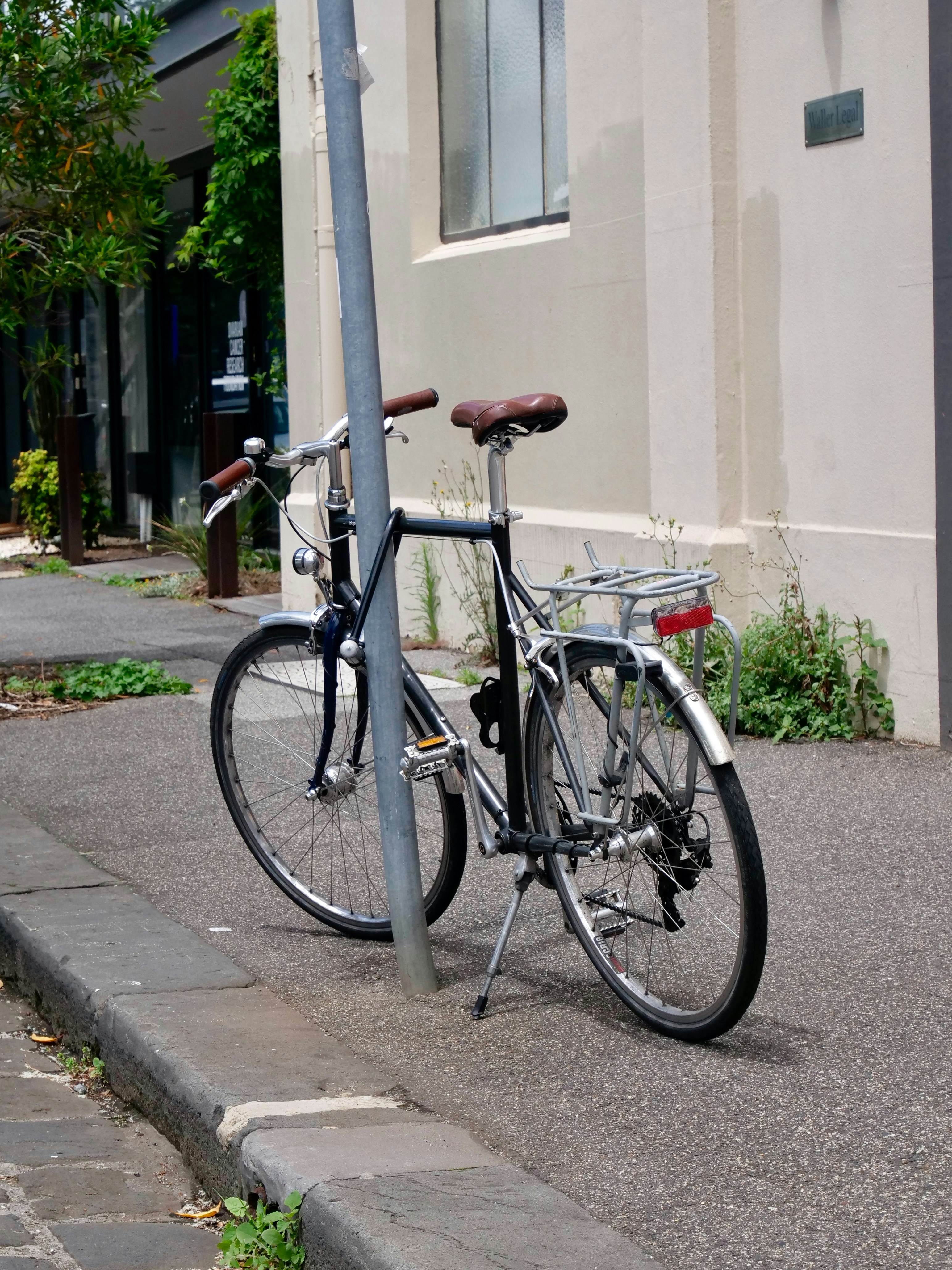
If approaching pedestrians from behind, cyclists should use a bell or a polite verbal warning so the person is aware a rider is approaching.
Passing slowly and leaving plenty of space helps prevent surprises.
Obey Signs
Some areas display “No Bicycles” signs. These are typically installed in locations with very high pedestrian traffic where riding may create safety concerns.
Cyclists must not ride on footpaths where these signs are present.
Watch for Driveways and Intersections
One of the biggest risks when riding on footpaths comes from vehicles entering or exiting driveways, laneways, and intersections.
Drivers often look primarily for traffic on the road rather than cyclists approaching along the footpath.
Cyclists should slow down and scan carefully before crossing driveways or intersections. Making eye contact with drivers when possible can also reduce risk.
Visibility and Lighting
If riding at night or in low light, bicycles must be fitted with:
Lights may be steady or flashing but must be clearly visible.
Bright or reflective clothing can also improve visibility and give pedestrians and drivers more time to react.
Riding with Children
Footpaths are often the safest place for young riders who are still learning to cycle.
Parents and carers can help children develop safe habits by encouraging them to ride slowly, watch for pedestrians, and stop at driveways and crossings.
Practising on quieter streets and paths can help build confidence before riding on the road.
E-Bikes and Other Devices
Electric bicycles that meet Australian standards are generally treated the same as regular bicycles under South Australian road rules. This means they are also allowed on footpaths unless signage states otherwise.
Because e-bikes can accelerate more quickly, riders should take extra care around pedestrians and ride at an appropriate speed.
When Should I Ride on the Road Instead?
Even though riding on the footpath is legal, it is not always the best option.
Many experienced riders prefer to use the road where there are bike lanes, wide shoulders, or lower traffic speeds. Roads can sometimes provide a smoother and more predictable riding environment, particularly over longer distances.
Riders may prefer to use the road when:
When riding on the road, cyclists are treated as vehicles and must follow normal road rules and traffic signals.
Creating Shared Spaces That Work for Everyone
Footpaths and shared paths are an important part of South Australia’s transport network. They help people of all ages and abilities move safely through their communities.
When cyclists slow down, give way to pedestrians, communicate clearly, and ride with consideration, these spaces become safer and more welcoming for everyone.
Respectful behaviour from all path users helps create streets that work well for both walking and riding.