our partners




Get updates on mail
address
270 Angas St,
Adelaide SA 5000
Copyright © 2026 Bicycle SA. All Rights Reserved.
270 Angas St,
Adelaide SA 5000
Copyright © 2026 Bicycle SA. All Rights Reserved.
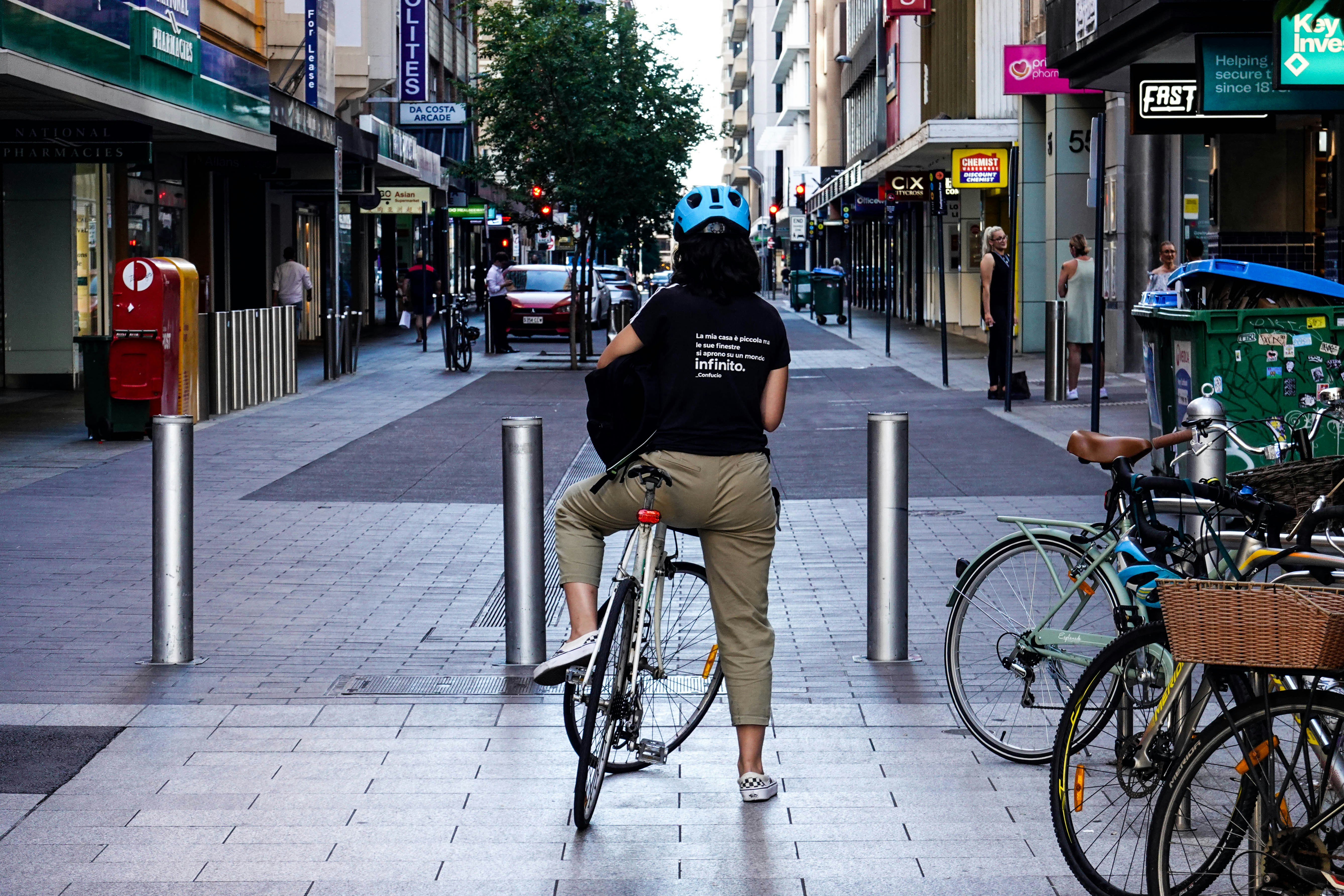
Practical Tips for New Riders and People Returning to Cycling
Starting to ride a bike for the first time, or getting back into cycling after years away, can feel intimidating. Many people worry about balance, traffic, road rules, hills, or simply feeling out of practice.
The good news is that bike confidence is something you can build. It rarely happens all at once, but with the right preparation and steady practice, riding can become safer, easier and far more enjoyable.
Whether you are new to cycling, returning after a long break, or looking to feel more comfortable riding more often, these simple steps can help you build confidence on a bike.
Start Somewhere That Feels Safe
One of the best ways to build confidence is to begin in a low-stress environment. Quiet streets, shared paths, local parks, empty car parks and separated bike paths can all be good places to start.
This gives you the chance to focus on the basics, like balance, steering, braking and starting off, without the pressure of busy traffic or complicated intersections. If riding on the road feels overwhelming at first, that is okay. Confidence grows much faster when you begin somewhere that feels manageable.
Starting in a calm environment can also help reduce anxiety and make early rides feel more enjoyable, which makes it easier to keep going.
Make Sure Your Bike Fits and Works Properly
A bike that feels uncomfortable or unreliable can quickly undermine confidence. Before heading out, take a few minutes to make sure your bike is safe and suited to you.
Check that:
If your bike is too big, too small, or poorly adjusted, riding will feel harder than it needs to. Even small changes to saddle height or handlebar position can make a big difference.
If you are unsure, a local bike shop or basic maintenance session can help you get everything set up properly. Feeling confident in your bike makes it much easier to feel confident on it.
Practise the Basics Before You Go Further
Confidence on a bike starts with control. Before trying longer rides or busier routes, spend some time practising the key skills that make everyday riding feel safe and predictable.
Focus on:
These are simple skills, but they matter. The more automatic they become, the less mental effort riding takes, and the more relaxed you will feel.
It can also help to practise getting on and off the bike, especially if you are returning to cycling after a long gap or using a new type of bike.
Build Up Gradually
A common mistake is trying to do too much too soon. If your first ride feels difficult, stressful or exhausting, it can knock your confidence.
Instead, build up in small steps.
Start with short rides close to home. Then gradually increase one thing at a time, such as:
This gradual approach helps you improve without becoming overwhelmed. A short, successful ride is better for confidence than a long ride that leaves you shaken.
Progress does not need to be dramatic. Riding for ten minutes more than last week, feeling steadier at intersections, or trying a new path are all meaningful improvements.
Choose Routes That Work for You
Not every route is equally comfortable, especially when you are still building confidence. A slightly longer route with quieter streets or bike lanes may feel much safer and more enjoyable than the fastest direct option.
When planning a ride, look for routes with:
Good route choice can make a major difference to how safe and in control you feel. As your confidence grows, you can start trying new routes and more varied riding environments.
Use the South Australian Government’s Cycle Instead tool to plan your cycling journey.
Learn How to Ride Predictably
A big part of feeling confident on a bike is knowing how to ride in a way that is clear and predictable to others.
This includes:
When you ride predictably, other road users are more likely to understand what you are doing. That helps create a safer, smoother experience for everyone, including you.
For many people, confidence improves when they stop thinking of riding as “trying not to get in the way” and start thinking of it as moving through the space calmly, clearly and lawfully.
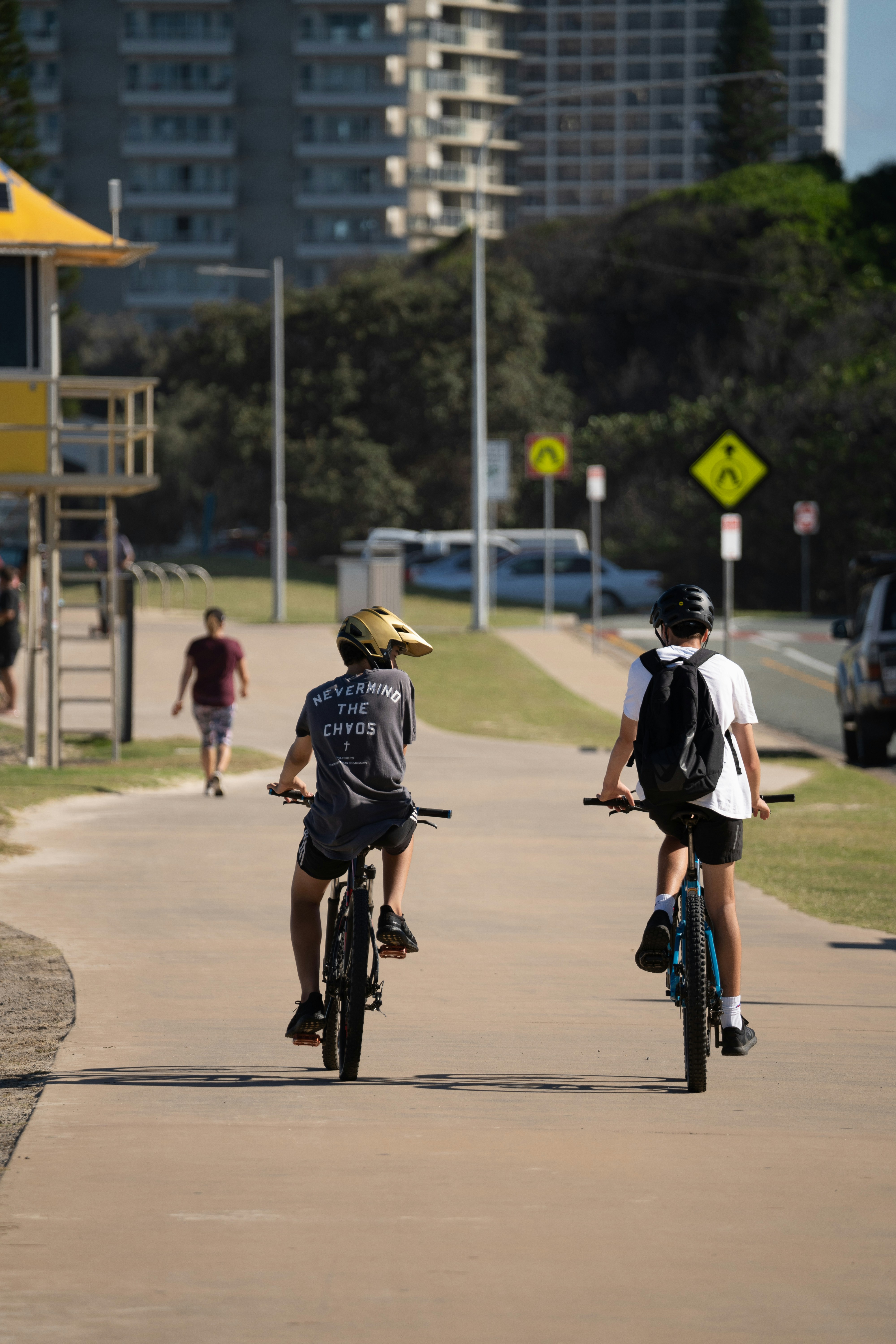
Understand the Road Rules
Uncertainty can make riding feel stressful. Knowing the basic road rules for bike riders can make you feel much more confident and help you make better decisions.
It is worth understanding:
When you understand the rules, you are less likely to hesitate or second-guess yourself. That sense of certainty can make riding feel far more manageable.
Wear the Right Gear for Comfort and Safety
You do not need expensive equipment to feel confident on a bike, but the right basics can make riding more comfortable and help you feel prepared.
Helpful essentials include:
If you are comfortable, visible and prepared, you can focus on the ride itself rather than worrying about avoidable problems.
Expect Confidence to Build Over Time
It is normal to feel nervous when you start. It is also normal to have some rides that feel easier than others.
Confidence on a bike is not about never feeling cautious. It is about becoming more familiar, more capable and more comfortable over time. The more often you ride, the more everyday situations start to feel routine.
Try not to judge yourself against experienced riders. Focus on your own progress. Every ride helps build skill, awareness and familiarity.
Celebrate Small Wins
Progress in cycling often happens quietly. A route that once felt stressful suddenly feels manageable. Starting off becomes smoother. A hill feels easier. You stop worrying so much about balance or braking.
These small wins matter. Noticing them can help you stay motivated and remind you that your confidence is growing, even if it feels gradual.
Building Bike Confidence Starts With One Ride
If you are new to cycling or returning after time away, the most important step is simply to begin. Start small, choose a safe place, practise the basics and give yourself time.
Confidence does not come from waiting until you feel ready. It comes from steady, supported practice.
With the right approach, cycling can become a safe, practical and enjoyable part of everyday life.