our partners




Get updates on mail
address
270 Angas St,
Adelaide SA 5000
Copyright © 2026 Bicycle SA. All Rights Reserved.
270 Angas St,
Adelaide SA 5000
Copyright © 2026 Bicycle SA. All Rights Reserved.
Route Summary
Entry Point / Access: Tea Tree Gully, Modbury, Hope Valley
Trail Type: Fire tracks, gravel paths, shared-use tracks
Surface: Compacted dirt, gravel, rough trails
Distance: Approx. loops from 3 km to 12 km (depending on route)
Terrain: Steep climbs on ridgelines, moderate undulating sections, open valleys
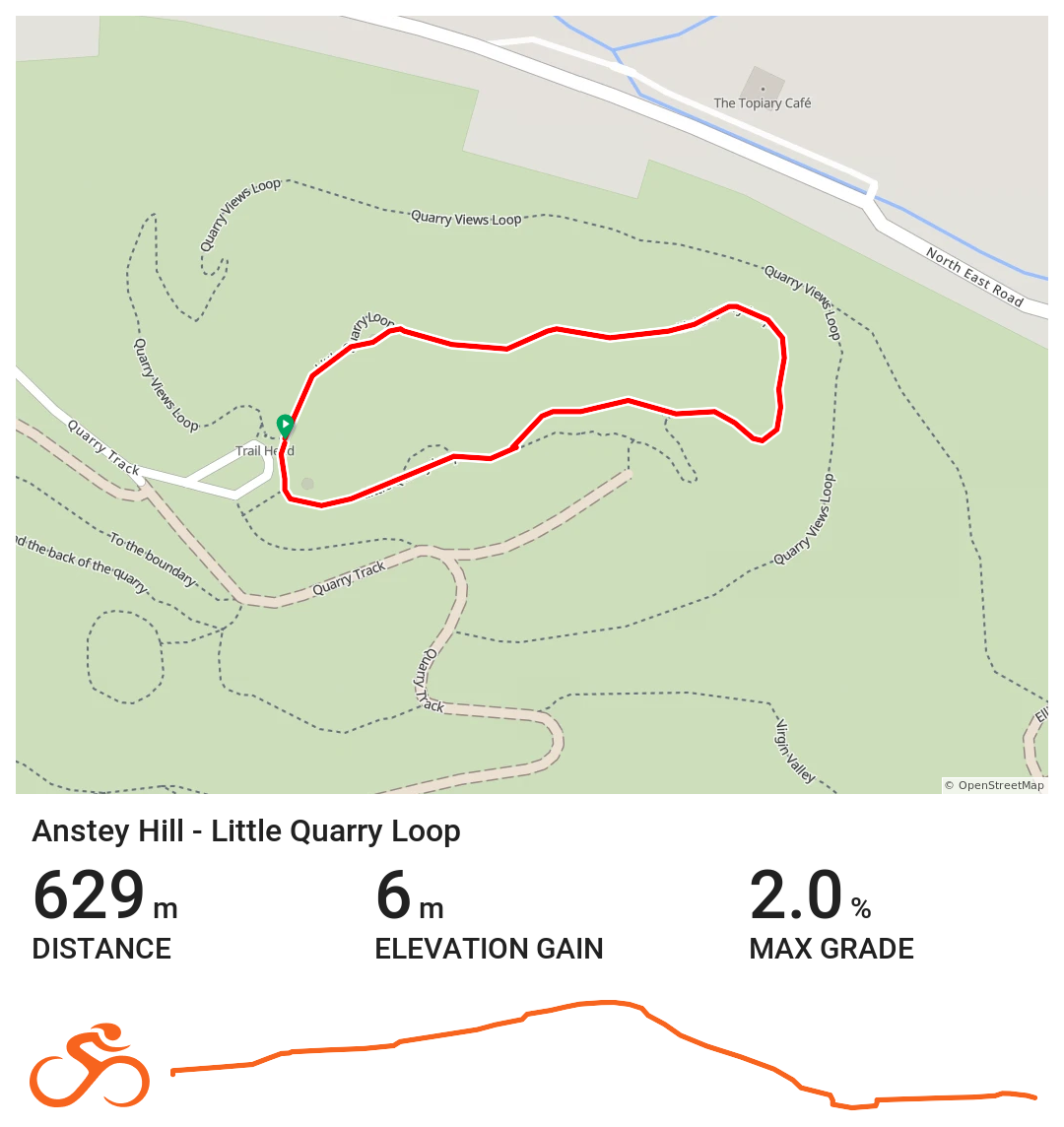
View the full Little Quarry Loop route here
Introduction
Anstey Hill Recreation Park is one of Adelaide’s most rugged and rewarding natural cycling destinations, located on the northern edge of the city between Tea Tree Gully, Modbury and Hope Valley. Covering more than 2450 acres, the park offers a mix of steep ridgelines, open gullies and native woodland that feels a lot further away from the suburbs than it is situated. For riders that are after an offroad cycling experience in South Australia, Anstey Hill delivers both challenge and immersion without having to travel far from the city.
History
Anstey Hill Recreation Park has a long and layered history that predates its role as a recreational destination. The land forms part of Kaurna Country and was traditionally used for movement, gathering and connection across the Adelaide Plains and foothills. Evidence of early pathways and use reflects the importance of the area as a natural corridor between hills and plains.
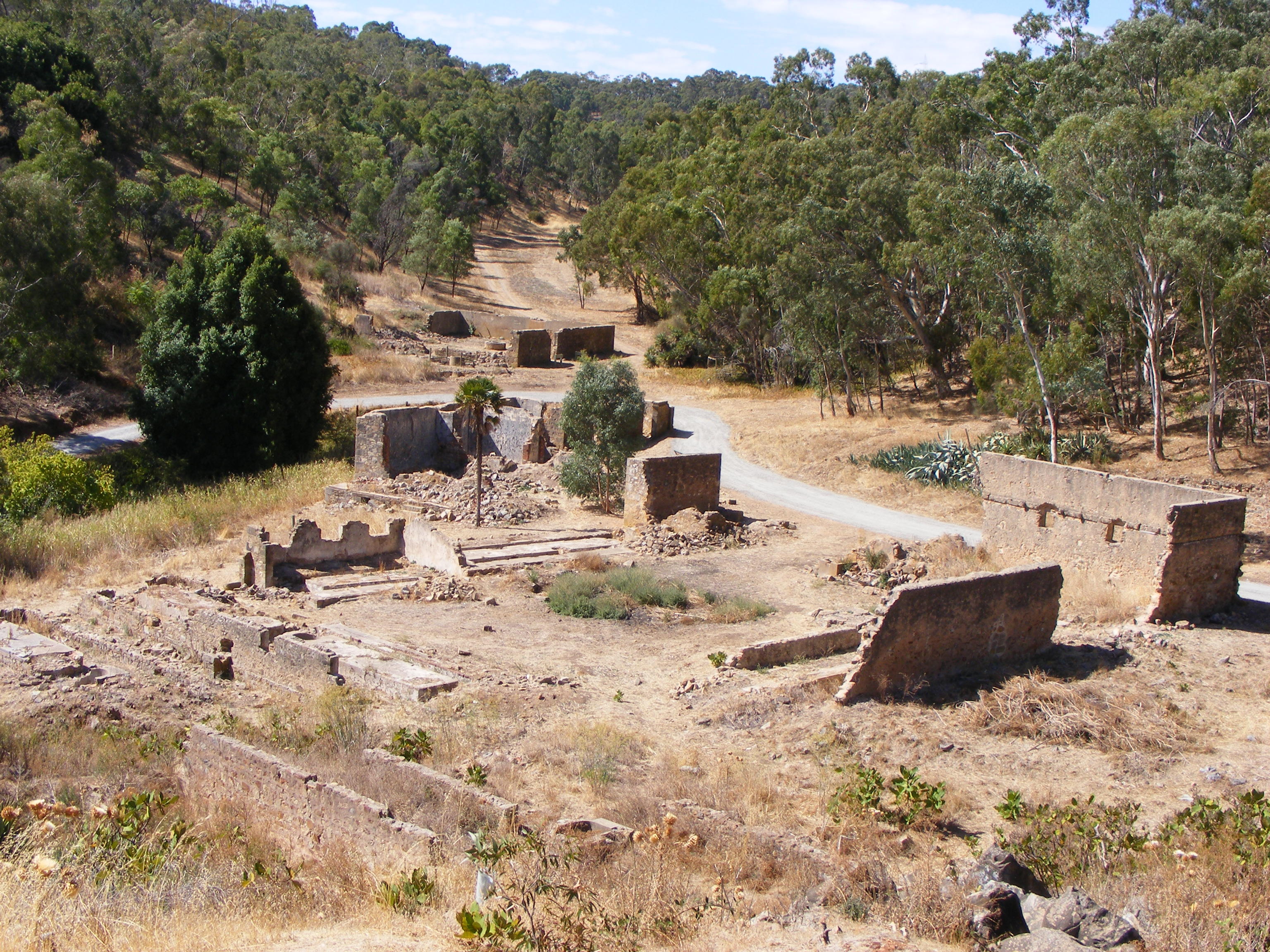
European settlement in the nineteenth century brought farming, quarrying and early industry to the area. Stone quarrying became a dominant activity, supplying materials for buildings across Adelaide. Remnants of this period remain visible throughout the park, including old quarry sites, stone walls and infrastructure that provide a tangible link to South Australia’s early development.
As industrial use declined, the rugged terrain and remaining native vegetation highlighted the value of the area as a protected landscape. The land was progressively preserved and declared a recreation park, recognising both its environmental significance and its potential as a space for public access, outdoor activity and conservation. Today, Anstey Hill stands as a rare example of large-scale bushland retained within metropolitan Adelaide.
Significance
Anstey Hill Recreation Park is significant for its scale, terrain and proximity to the city. Few places in metropolitan Adelaide offer the same combination of elevation, ruggedness and uninterrupted natural landscape. For cyclists, this creates a riding experience that feels remote and demanding while remaining easily accessible from surrounding suburbs.
The park plays an important role in off road cycling in South Australia by providing challenging fire trails and varied terrain that support skill development, fitness and confidence. It acts as a natural progression point for riders moving beyond shared paths and sealed trails into more technical riding environments. This makes it particularly valuable within Adelaide’s broader cycling network.
Environmentally, Anstey Hill protects significant native vegetation and wildlife habitat within an urban setting. Its hills and gullies support birdlife, native animals and seasonal wildflowers, contributing to biodiversity and ecological resilience close to the city.
Culturally, the park connects riders and visitors to layers of South Australia’s history, from Kaurna heritage to early European industry. This depth of story, combined with physical challenge and open space, gives Anstey Hill a strong sense of place. It is not just a riding destination but a landscape that reinforces the relationship between cycling, history and environment in metropolitan Adelaide.
Cycling Experience
The park is well known for its detailed network of fire tracks and shared trails that accept gravel bikes, mountain bikes and confident hybrid riders. Although the path is not sealed, it is regularly maintained and kept up to standard to still offer a genuine sense of adventure riding close to Adelaide. The climbs can be difficult at times, but riders are rewarded later with the way the hill is situated and stands over the horizon and surrounding hills. The descents are fast and open, allowing for a sense of freedom and flexibility that helps to create loops that are suitable for shorter rides or exploration.
Bike riding at Anstey Hill is about variety rather than distance. The movement between shaded woodland, exposed hillsides and open valleys, and surfaces that range from dirt to fire trail. This results in a perfect opportunity for riders to build confidence on unsealed surfaces or wanting to prepare for longer regional cycling routes in South Australia. As the park is easily connected to surrounding suburbs and nearby paths, it is great to join on as part of a longer ride linking multiple cycling trails around Adelaide.
Anstey Hill Recreation Park holds a strong environmental and cultural presence. The native vegetation supports a wide range of birdlife and wildlife, and seasonal changes bring wildflowers and many colours over the landscape that add to the serenity of the park.
There are access points around Hope Valley, Tea Tree Gully and Modbury that allow riders to tailor their entry based on their fitness and time. Although the facilities at the park can be limited, there are many food and services close by in surrounding suburbs. Tea Tree Gully and Modbury offer cafes, bakeries and casual dining options, while nearby accommodation makes the park a convenient base for riders exploring northern Adelaide and the surrounding trail network.
Anstey Hill Recreation Park is a standout for riders that seek elevation, space and a more technical riding experience within metropolitan Adelaide. It complements South Australia’s broader cycling network by offering something physical and deeply connected to the land, making it an important part of Adelaide’s cycling landscape.