our partners




Get updates on mail
address
270 Angas St,
Adelaide SA 5000
Copyright © 2026 Bicycle SA. All Rights Reserved.
270 Angas St,
Adelaide SA 5000
Copyright © 2026 Bicycle SA. All Rights Reserved.
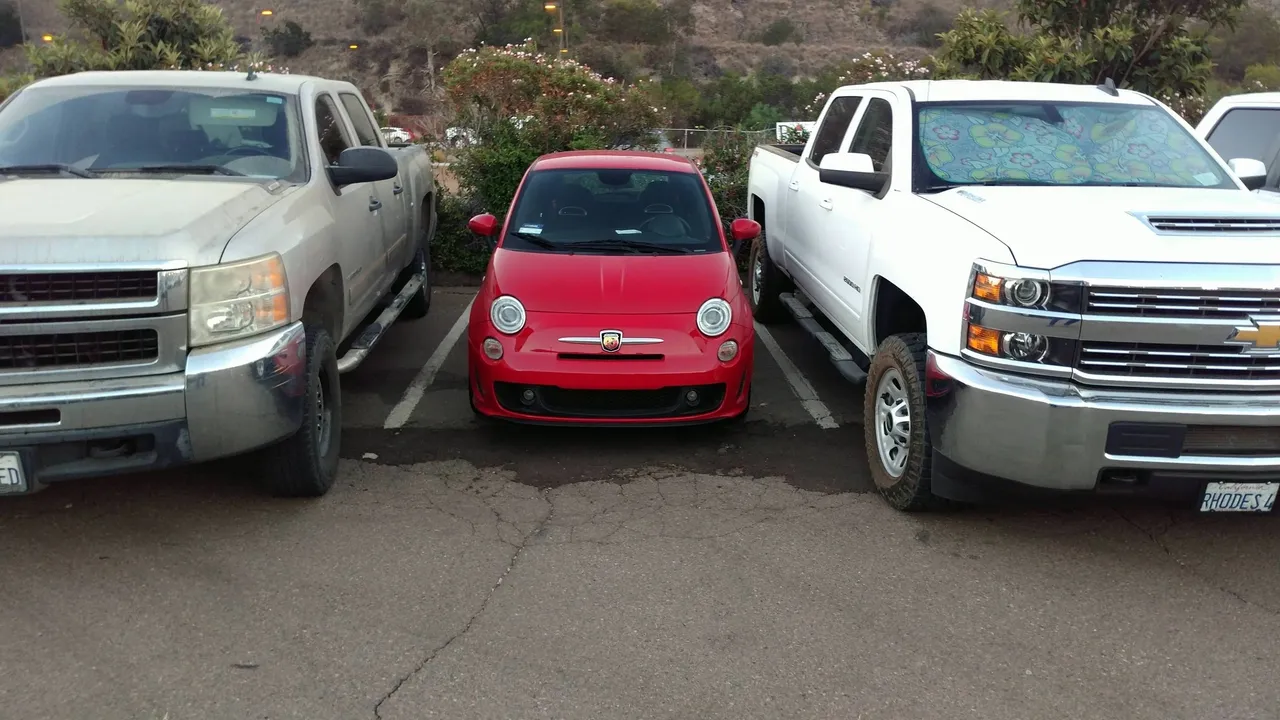
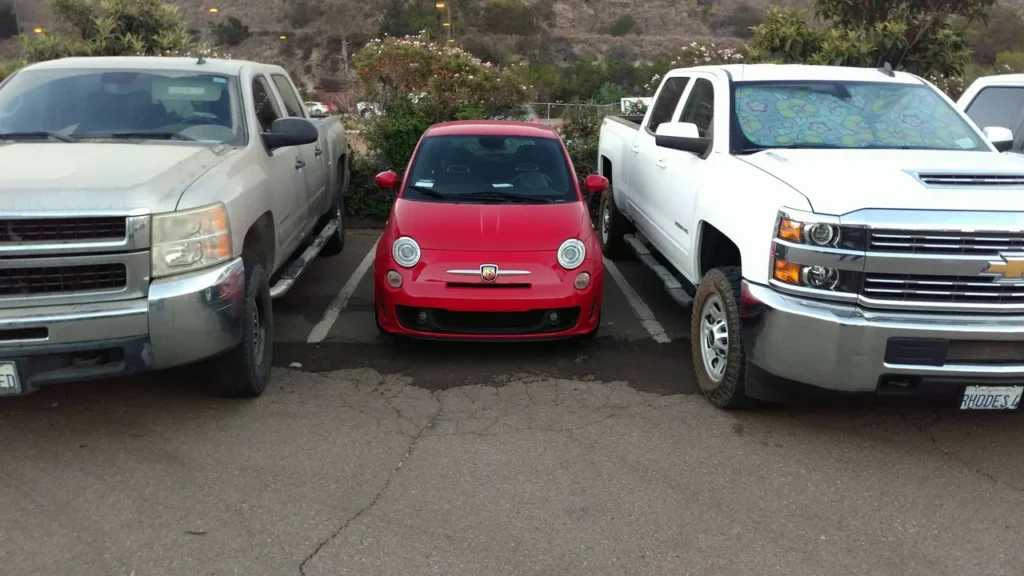
In a city environment, there is no reason these giant trucks shouldn’t pay considerably more for valuable space than this tiny city car. Which would you rather share your environment with?
The Adelaide City Council face the considerable long-term challenge of transitioning away from its financial model of being heavily dependent on car parks.
But the difficulty of this challenge cannot allow the council to put it in the too-hard basket and perpetuate the refusals of previous councils to support and encourage active transport in and around the city, a change that has been shown to deliver health, environmental, economic and social benefits to those who live, work, shop and socialise in Adelaide.
And they don’t even have to venture into uncharted territory to begin that encouragement of active transport while giving the drivers of the most anti-social private vehicles a strong hip-pocket reason to think and live greener. The city of Lyon, in France, is already showing the way.
Lyon will become the first city in France to introduce parking charges according to a car’s weight in a bid to dissuade drivers from using larger, more polluting vehicles. The charges – scheduled for 2024 – are aimed at encouraging people to use public transport or use smaller, less-polluting cars.
Now, that seems like a great idea to reduce pollution and encourage greater use of public transport, but how – we are sure you’re asking – would it have an impact on active transport?
Well, we propose the City of Adelaide takes it a step further. They already draw an enormous income from parking fees so, having implemented this fee increase for oversized vehicles, it should not just pocket it or continue the spending status quo.
No, it should set aside that revenue to fund the active transport infrastructure and incentives that the rest of the world has embraced but it has studiously ignored over the past four years.
The French scheme uses a pay-by-the-month system of a pre-identified vehicle. But surely with the camera systems already in place in so much of our public infrastructure, a method can be made to institute variable charges based on size for casual parkers. And those with reserved long-term parking spaces can simply be required to identify the vehicle and pay accordingly.
As the French pointed out in their reasoning for the decision: “Heavier vehicles have a much greater impact on the climate. They consume more fuel, require more materials to build, and, in electric vehicles, need much larger batteries. The accidents they cause are more serious (particularly for tall vehicles such as SUVs), braking emits more fine particles, and they take up more public space.”
It is a win-win proposition for the council as well as for people living and working in the city environment. If drivers don’t want to pay the extra fees they will consider a smaller, cleaner, safer, quieter vehicle, which benefits everyone. Indeed, imagine the joy of other drivers when they no longer require the skills of a contortionist to get into their car because they are not squeezed in next to an oversized off-roader.
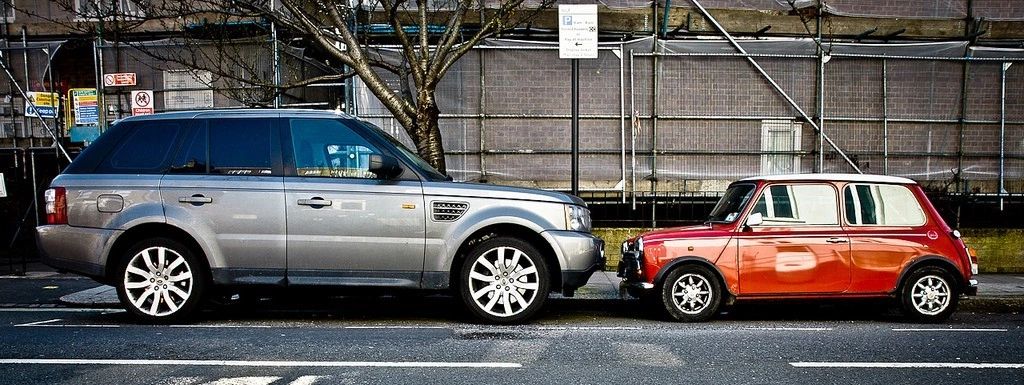
And if they are unwilling to part with their dirty, dangerous monster SUVs and 4WDs, the extra fees will allow the council to join the ranks of cities acting to support and encourage healthy active transport without having to find the money elsewhere in the budget.
There will inevitably be those who will say this is unworkable, unreasonable, unnecessary. But they are the same ones who will continue to cling to the comfortable status quo right up to and beyond the point that it becomes too late to make the changes that benefit everyone … including them.
The world is telling us that the need for change has been with us for a very long time. Increasing numbers of South Australians are telling us that this is the change they want and that no, it’s not ok to have an endless number of single-occupant three-ton 4WDs streaming into our city centre each day.
And there is only so much longer that Adelaide’s leadership can hope no one will notice that they – in this ideal cycling city, the home of the Tour Down Under with our mild Mediterranean climate in the driest state of the driest continent on Earth – have done nothing to seize the opportunity to usher in the necessary changes that so many other cities around the world have embraced.
We notice.
People should retain the right to drive what they wish. But that doesn’t mean that society at large can’t make them pay for that right, particularly when that choice has such a demonstrably negative effect on everyone else.
Not everyone is going to commute by bike, we know that. But the time has long since passed where we can no longer assume – much less plan – that most, if not all, of us are going to be able to go from door to door in a private motor vehicle. Particularly, it must be noted, in motor vehicles that in recent years have grown dramatically larger and heavier in a trend that one member of the Lyon council has branded “auto-obesity”.
This isn’t a fundamental shift, a seismic, difficult adjustment that we are proposing. And, particularly in the context of the never-ending arms race of vehicle-size one-upmanship that is so pervasive today, it is a moderate suggestion to restore some balance and enable some real diversity of choice and opportunity in our city’s transport and parking environment.
This article first appeared in Issue #199 of Bike SA’s Cycle Magazine. Subscribe to Cycle.