our partners




Get updates on mail
address
270 Angas St,
Adelaide SA 5000
Copyright © 2026 Bicycle SA. All Rights Reserved.
270 Angas St,
Adelaide SA 5000
Copyright © 2026 Bicycle SA. All Rights Reserved.
You have to look a long way down the list of the ways in which cycling benefits Australia before you get to mere dollars and cents. But even by that measure, cycling’s contribution is significant, as the latest audit of the sport’s national impact confirms.
The 2023 WeRide Australian Cycling and eScooter Economy Report, released in November last year, highlights the direct and indirect benefits cycling delivers in terms of Australia’s economy, our health and the environment. It makes for very impressive reading.
And, closer to home, the report is equally glowing regarding South Australian cycling.
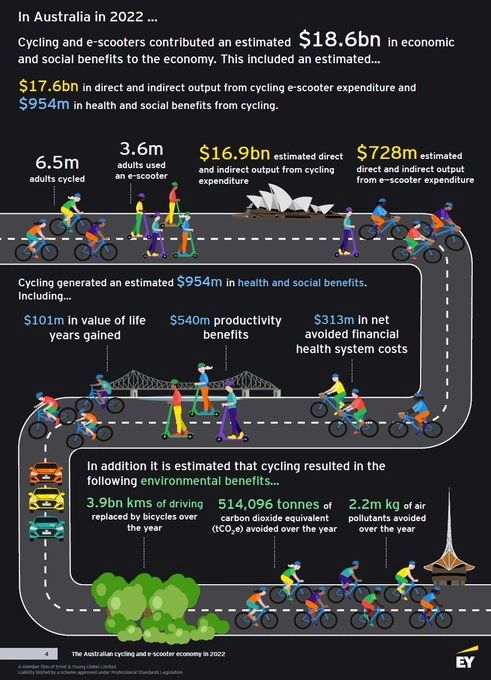
At the national level, the report – produced by major accounting and consulting firm EY and supported by several state and territory governments and organisations like Bike SA and Auscycle – reveals that in 2022 the cycling sector:
· generated more than 58,000 full-time-equivalent jobs and $16.9 billion in economic and social contribution;
· contributed $954 million in health and social benefits including $313 million in savings to the Australian health system;
· avoided more than 514,000 tonnes of carbon dioxide and 2,200,000kg of air pollutants being emitted by replacing 3.9 billion kilometres of motor vehicle travel, and;
· attracted more than $1.9 billion in direct spending on national cycle tourism.
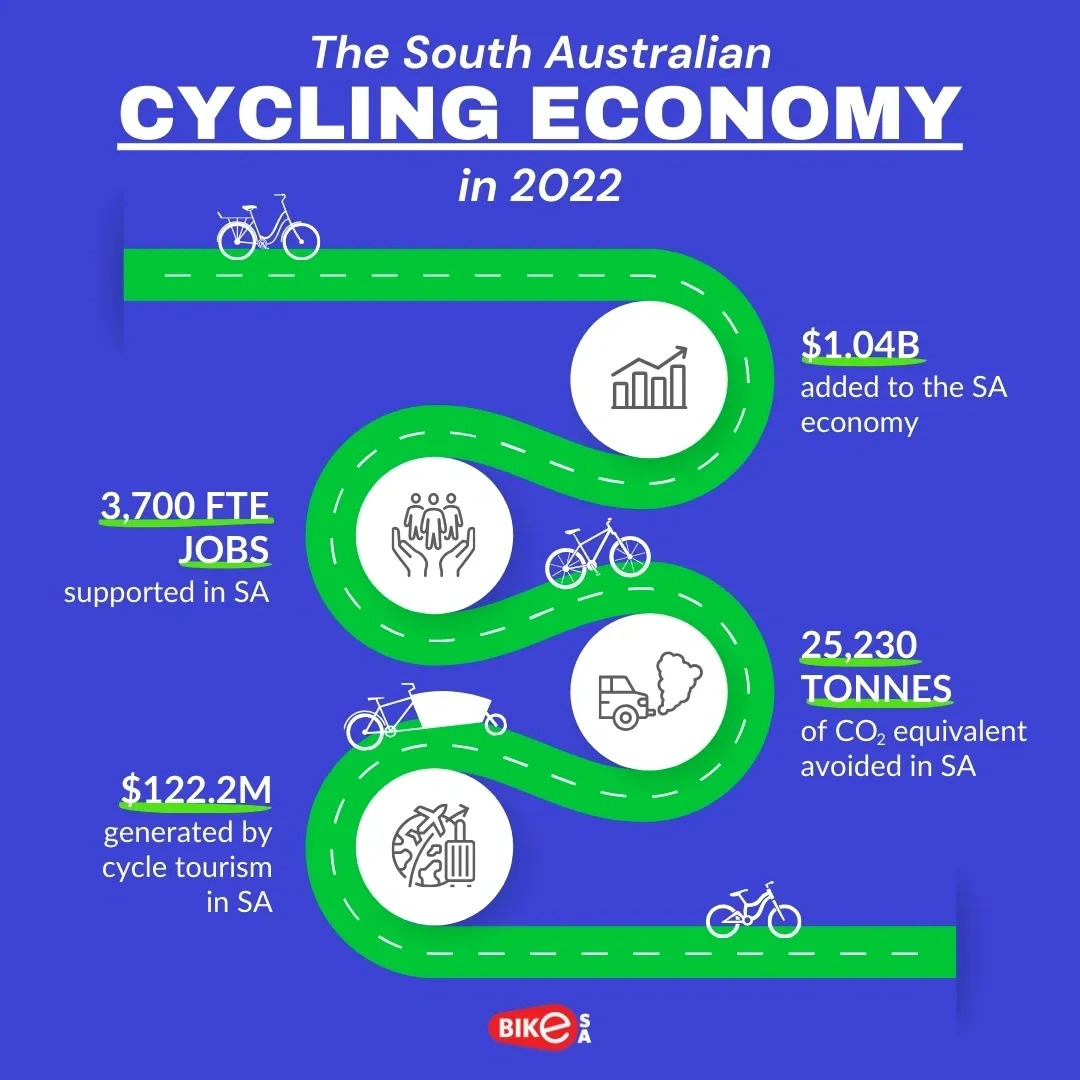
And in SA, the significant figures were:
· $1.04 billion generated for the state economy;
· 3700 jobs supported;
· 25,230 tonnes of carbon dioxide prevented from polluting our atmosphere; and
· $122.2 million spent throughout the state in our thriving cycle tourism industry.
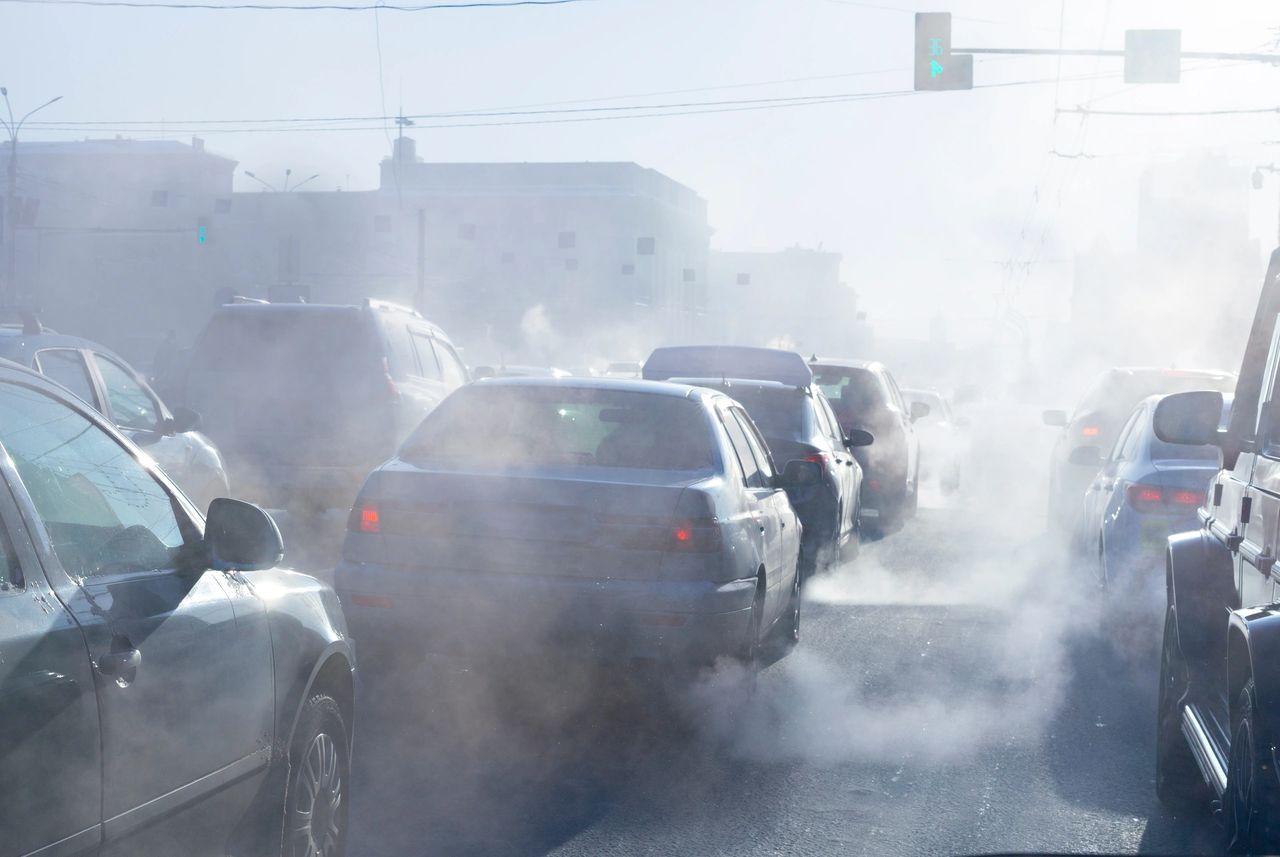
These are all encouraging figures but the true challenge is to turn this evidence into action to build the environment where all those people who want to ride but don’t feel safe to do so can take that step and also take one more car out of the traffic jam. To find a way to overwhelm the inertia of motor vehicles being the first and only priority as our decision-makers pave another multi-lane highway towards gridlock, climate crisis and poor health.
Bike SA CEO Brett Gillett said that there were many “encouraging” differences between the latest survey and the one that had been conducted two years earlier. Differences which should inspire pride and hope.
“But the number that hasn’t changed is the 64 per cent of people who would ride more if they felt it was safer to do so, and therein lies our golden nugget,” Brett said. “If we can get those 64 per cent of people, give them the means to ride with confidence and cut that number way down, that will make a huge impact for everyone in our transport environment.
“Bike SA will continue to create opportunities to help people build confidence on their bikes through the programs that we run. But we need support by way of improved infrastructure to keep building the positive outcomes that cycling can deliver.”
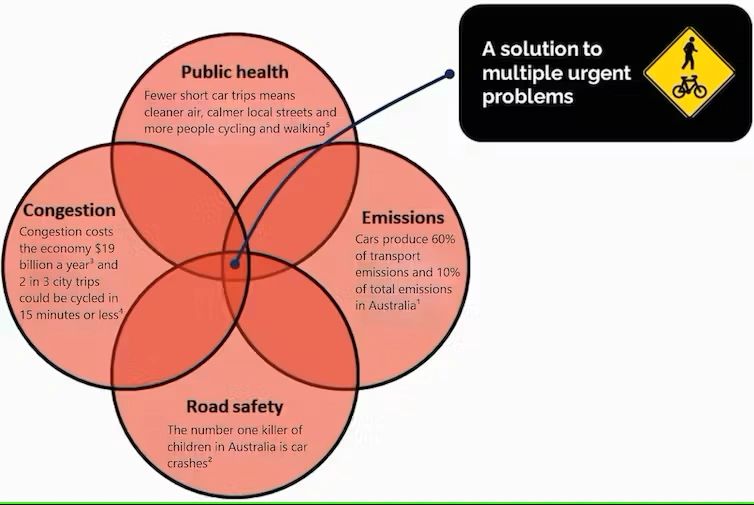
One of the most significant implications of the two biennial reports is the ammunition they give to peak bodies and advocacy organisations like us in conversations to convince decision-makers of the widespread benefits of factoring cycling into transport planning.
“You can’t turn a blind eye to the facts in this report because they are so relevant to the stated objectives of the federal and state governments in relation to climate change, carbon emissions control, health and wellbeing, cycling tourism and the economy,” Brett said.
Some of the most significant numbers in the report, considering the times we’re living in, are the greenhouse gas emissions and other pollutants that are being kept from the environment as a result of people riding bikes. It’s an enormous figure that clearly underscores the opportunity that encouraging and enabling more people to cycle can deliver.
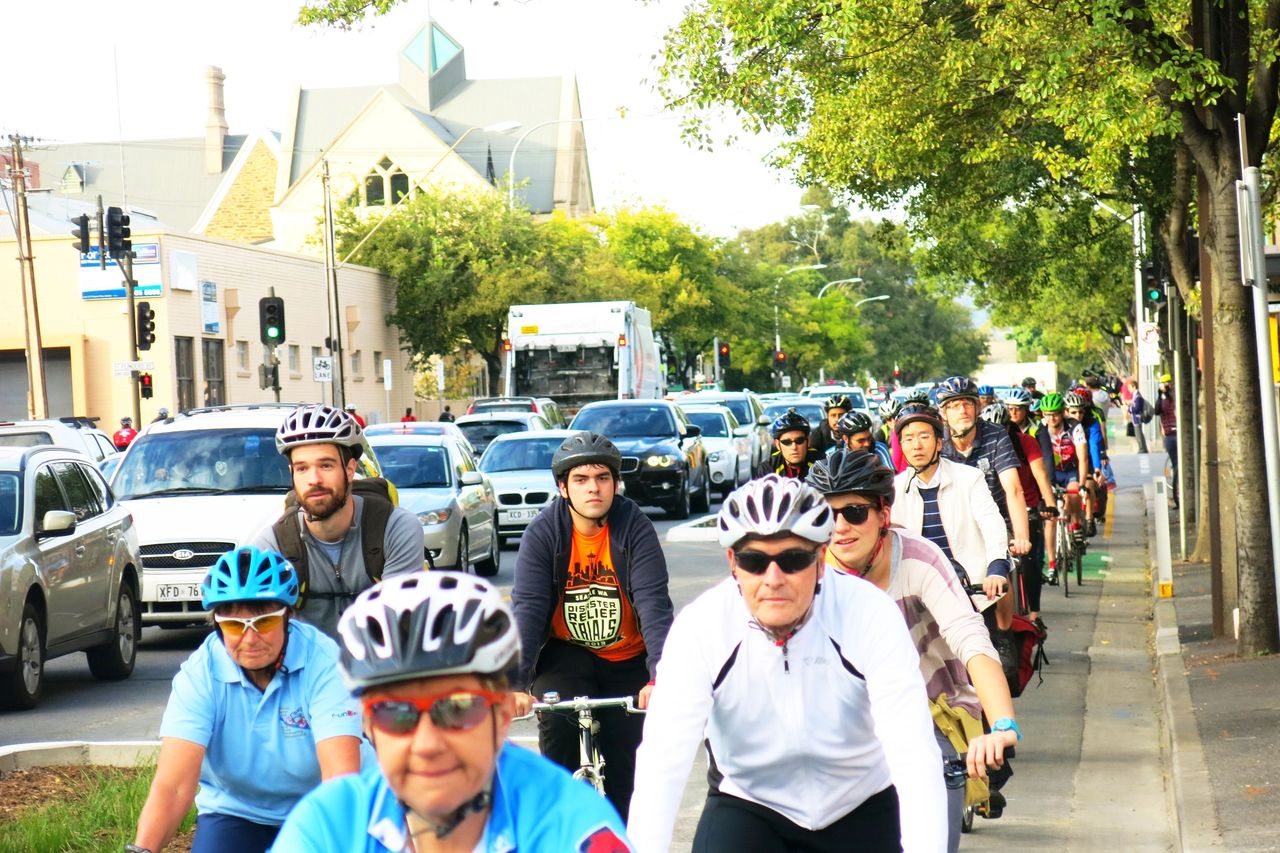
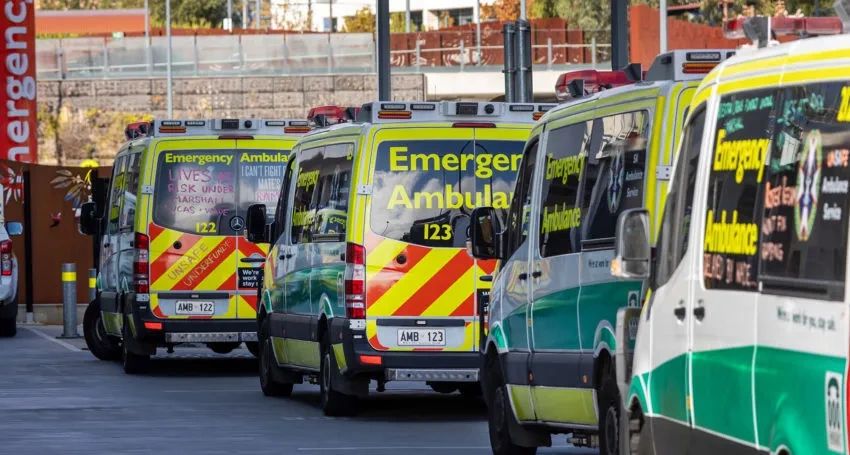
Similarly, one of the most bitter ongoing controversies in SA politics over the past several years has been the ambulance ramping crisis. And while the health benefits of people cycling is listed as a dollar figure in the report – $313 million in direct financial costs to the system Australia-wide in 2022 alone – there is the further benefit of healthier people placing less demand on our overstressed services, which would help ease that crisis.
At the report’s launch, WeRide’s Executive Officer Peter Bourke spoke of the “triple bottom line benefits of the cycling sector”.
“They are significant, generating thousands of jobs as well as providing health and environmental benefits, making investment in cycling and e-scooters a national imperative,” Peter said.
Brett and Bike SA’s board considered it of paramount importance that Bike SA contributed to the cost of producing this report. “We regard WeRide very highly, as we do many of the other partner organisations, and the credibility and strength of this report is a tremendous benefit when it comes to lobbying for much-needed change,” he said.
Advancing technologies are a huge part of how we can go about improving health, wealth and the environment for ourselves and future generations.
So much of the worldwide conversation on carbon dioxide pollution reduction is focused on electric cars as a key component to reversing the damage we’ve done in the past century, but few are acknowledging the fact that electric cars are here to save the car industry, not the planet.
Electric bikes actually have a far greater scope to deliver on all of those improvements while also opening up the option of riding instead of driving to a far greater range of people and in the process improving traffic flow for those who continue to drive.
The e-bike boom is another key component of the report and extra ammunition to justify government or corporate support for the necessary infrastructure to support it.
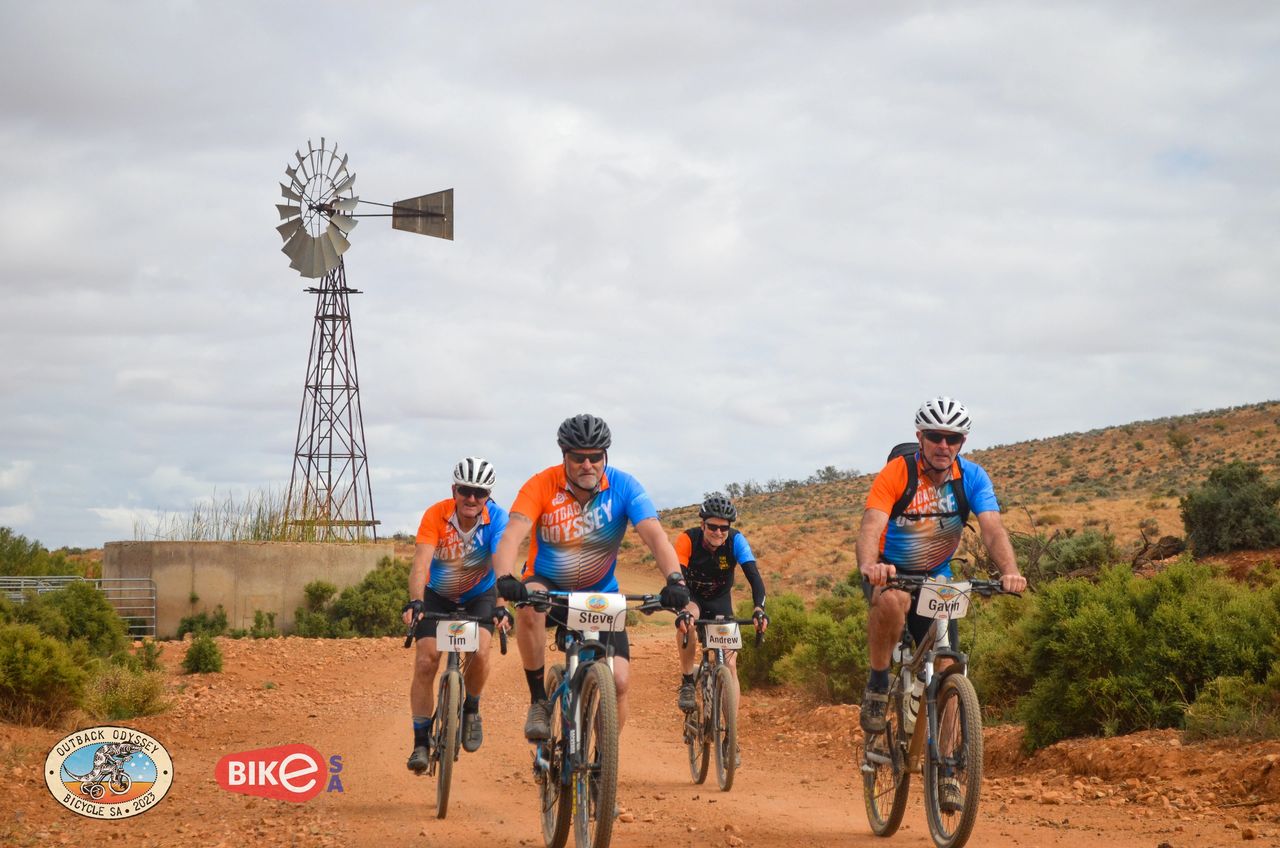
The number of e-bikes sold across Australia increased by more than 250 per cent between the two economic reports, from an estimated 54,000 bikes in 2020 to 193,000 in 2022. The price of e-bikes also fell by 16 per cent in that time, opening the door to even more people.
“The surge in the popularity of e-bikes should be quite a catalyst for change,” Brett said.
“They extend the opportunity to cycle to many more people and also make inroads into urban delivery with their capacity for quick, clean, nimble, silent and versatile cargo capacity. They also give people the ability to extend the distance they ride and should greatly increase the visibility and acceptance of cycling as a key component of our transport infrastructure.”
While the global conversation may be stuck in an electric cars loop, on a smaller scale, cities and regions have been making great progress in reducing noise and air pollution, increasing safety and comfort and creating more enjoyable environments in which to live, work and play by shifting focus from moving cars to moving people.
They are proving to be health, environmental, social and – importantly – economic successes by doing so.
Unfortunately, the response from any city without the same motivation and determination, is “that won’t work here”. Adelaide is very firmly in that camp. Even with the benefit of the blueprints for success that many other cities have established for us, the reluctance to change is too powerful despite the clearly evidenced advantages.
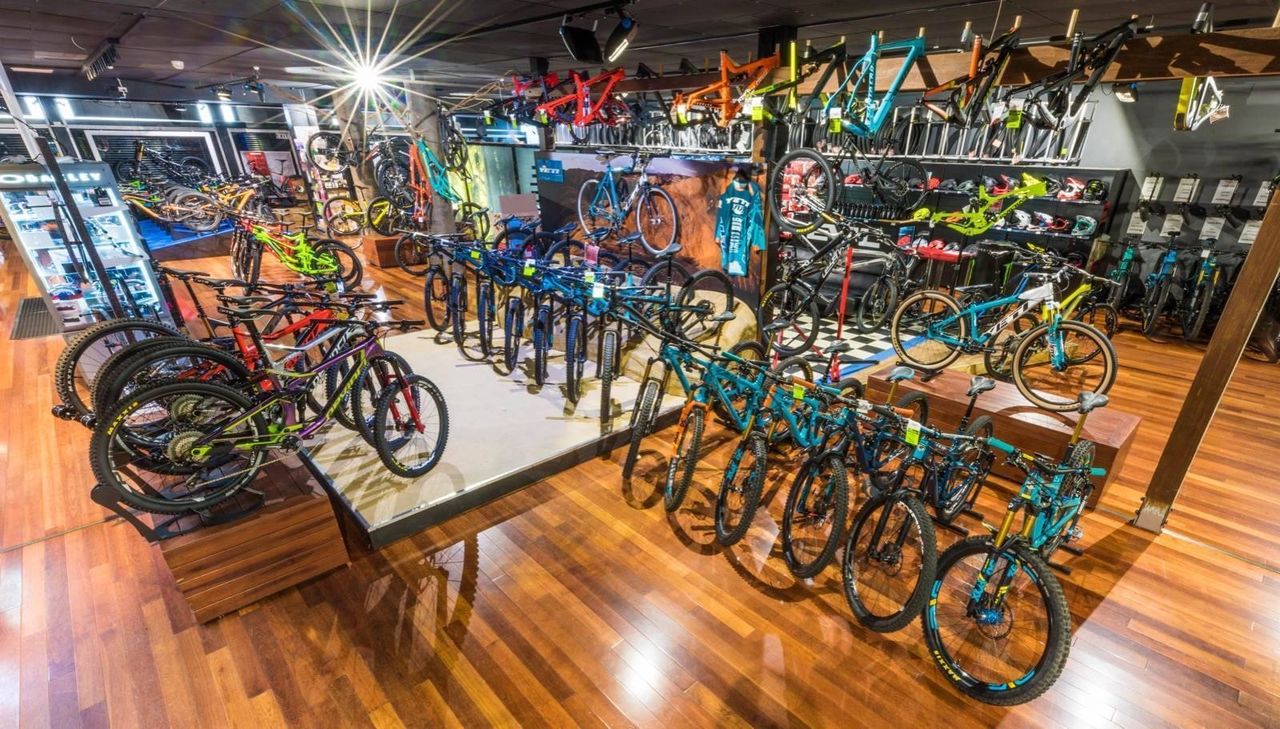
“We have been comparing ourselves to European countries that have had cycling cultures significantly beyond ours for many years and with this report at hand we have the basis for a much clearer comparison,” Brett said. “Copenhagen has a target of zero carbon emissions by 2030 and even though they already have 62 per cent of people commuting by bike, they are still well short of achieving that target. We have similar targets and we have much fewer than 20 per cent of people cycling into the city now. So, we’ve got a long, long way to go and it’s past time we stopped treading water.
“SA has had a really conservative approach to this for a long time and businesses are concerned about the impacts on their bottom line of trading car parks for cycling lanes but evidence from all over the world shows it has the opposite effect. Reducing the noise, danger, speed and pollution by focusing on people, not cars has created what’s called “sticky streets” where people stick at those locations and frequent them a lot more often.
“There is evidence that the City of Charles Sturt shared with us about their recent upgrades at Henley Beach. A building had been empty for years because businesses couldn’t survive there but since they created walking and cycling trails that is now a flourishing café and that’s just one of many examples.
“By improving walkability and cycling infrastructure they are getting more people staying longer and enjoying those environments.”
The 2023 WeRide Australian Cycling and eScooter Economy Report should be a source of tremendous encouragement and inspiration for all those who are committed to making our world better one bike at a time. But it should also be a stark reminder that we can no longer afford to allow people to dismiss us as a “fringe element” not worthy of consideration.
This report clearly dispels that myth. But more importantly, it underscores yet again that cycling in all its forms has the capacity to improve Australia for all – even those who condemn and marginalise us.
Let’s all redouble our efforts to ensure the 2025 report rings as an even louder call for positive change.
This article first appeared in Bike SA’s Feb-Apr 2024 edition of Cycle Magazine.