our partners




Get updates on mail
address
270 Angas St,
Adelaide SA 5000
Copyright © 2026 Bicycle SA. All Rights Reserved.
270 Angas St,
Adelaide SA 5000
Copyright © 2026 Bicycle SA. All Rights Reserved.
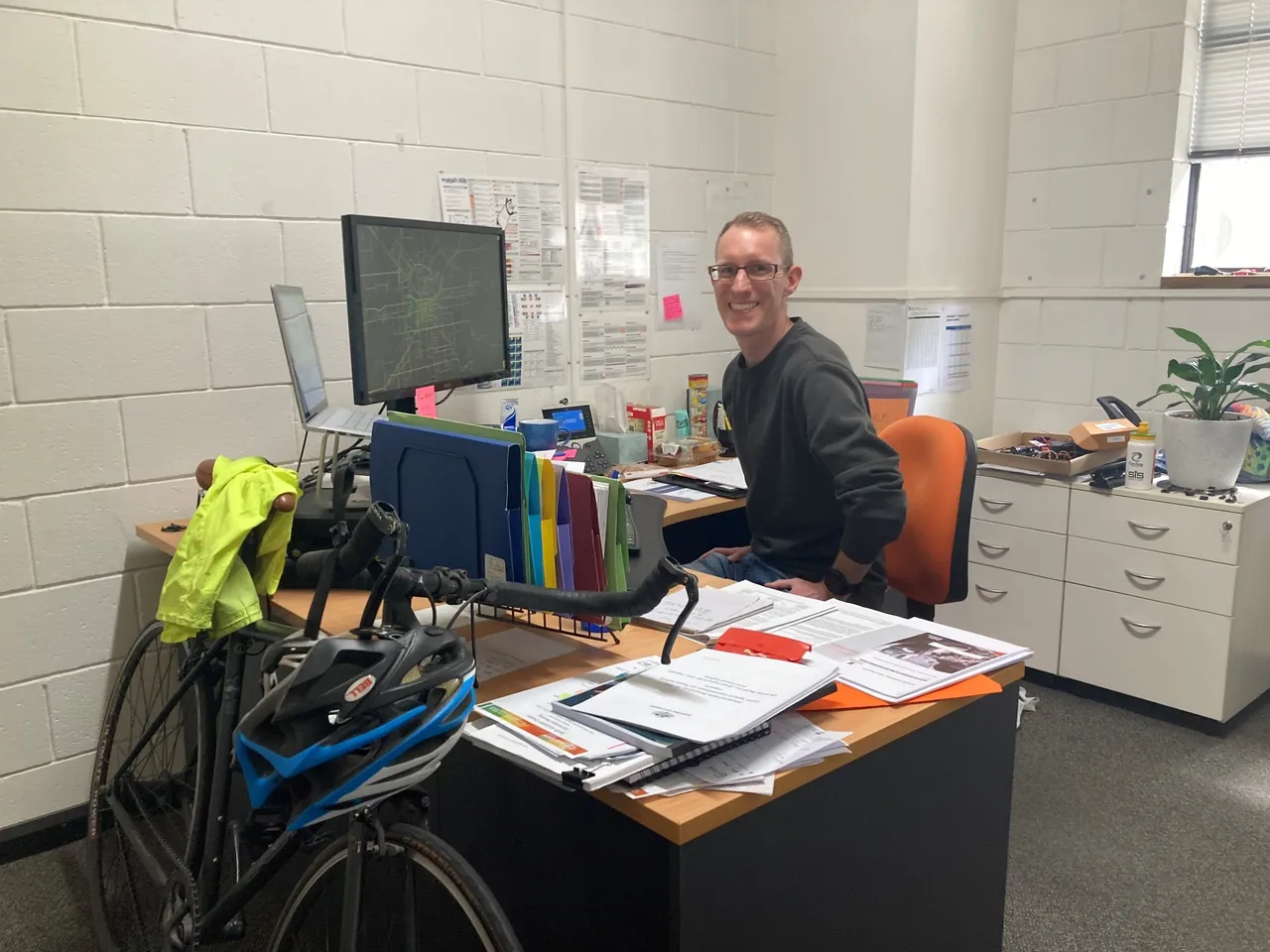
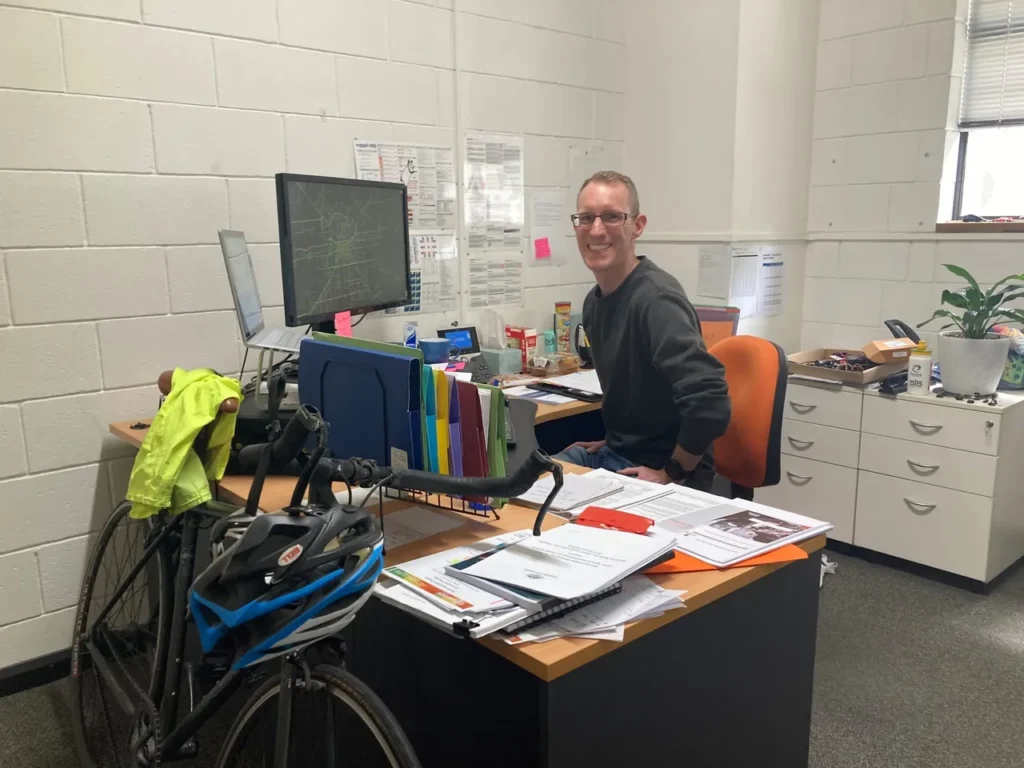
Dr Jamie Mackenzie in his CASR office
In the pursuit of cycling safety – as it has been with so many other things – while so many of us sit and wonder what can be done, researchers are stepping up to show us how.
But in the case of the work being done by Project Velograph at The University of Adelaide, we cyclists can get involved and help them collect the data they need to make us safer.
Project Velograph, led by engineer and senior research fellow at the Centre for Automotive Safety Research, Dr Jamie Mackenzie, uses data collection devices attached to volunteers’ bikes to identify preferred cycling routes and measure vehicle passing distances.
The passing distance data is significant because it not only gives policymakers the information to take action but it is also one of the most significant deterrents preventing people who want to cycle from doing so.
“We want to know where on the network the risk points are so we can either show that to a road authority and say ‘This needs to be fixed’ or show cyclists and say ‘you should avoid this road’ or advise advocates who could approach government to take action,” Dr Mackenzie said.
“The idea of the project is also to do long-term data collection so that if something does change, we can present before and after data for comparison and analysis.”
The project began in 2016 with a four-week proof of concept study in Melbourne, then returned with improved equipment in Canberra in 2019 that developed significant data.
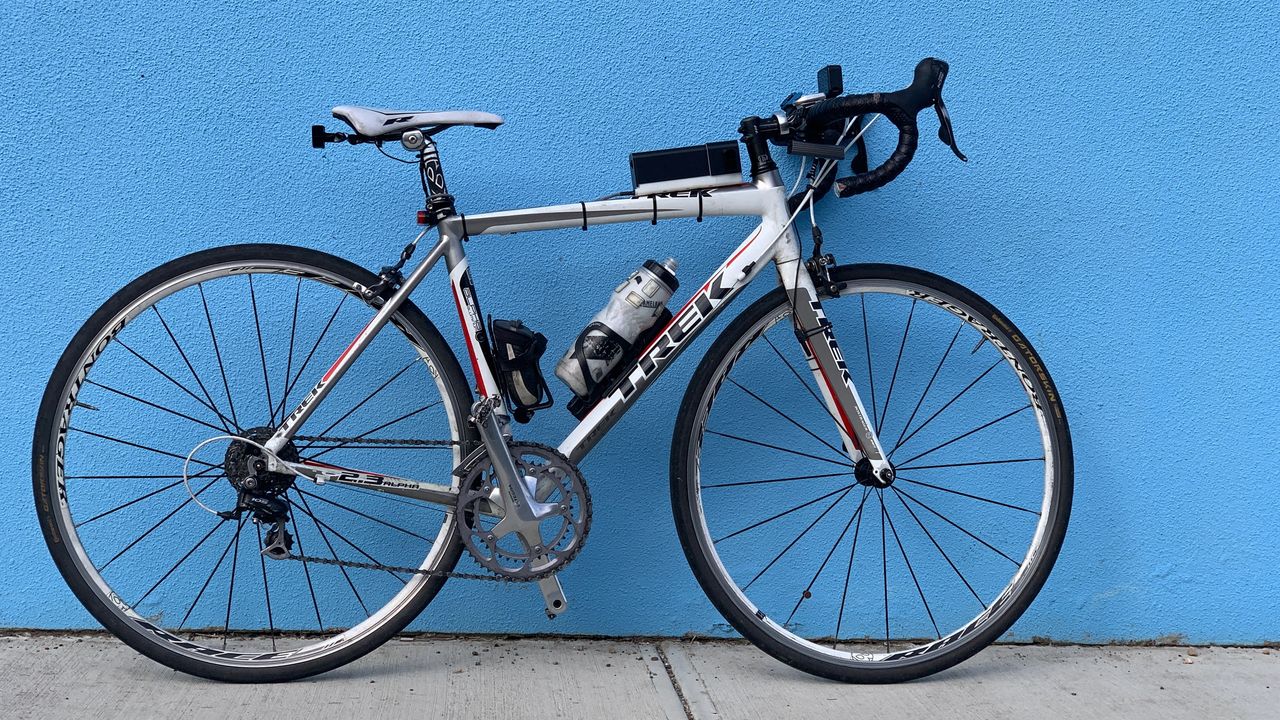
Last year, with extra funding from the Federal and ACT governments, it was able to build 100 data collection devices – five times more than in Canberra – for deployment over more than five months in Adelaide, Canberra and Melbourne.
When Bike SA spoke with Dr Mackenzie for this article in early November 2023, the data collected already spanned 50,000km ridden and more than 87,000 vehicle passing distances measured.
But with the funding having dried up, not only is there no more data coming in, there is also no opportunity for further analysis of the data they already have.
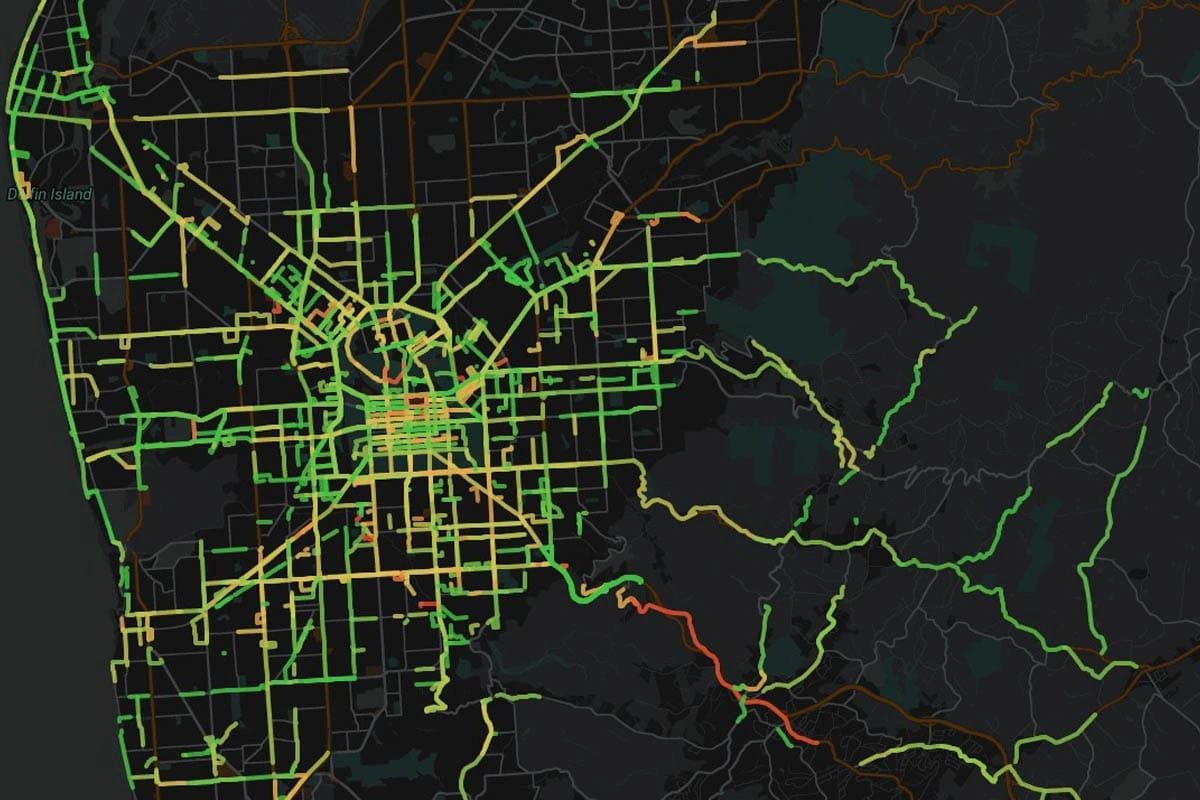
The best part about the data for cyclists is that all rides to date have been uploaded onto a publicly available map that is colour-coded to identify average passing distances. You can find the map and learn more about the project and how you can be involved when the opportunity returns at https://project.velograph.app/.
While only a limited number of cyclists are needed for data collection, depending on how much funding they receive, anyone who rides or cares about cyclists can get involved by lobbying for the support this important project deserves.
“We want to get it out there that this project exists and we want to know how people are interacting with it and how it can be useful,” Dr Mackenzie said. And that we need more funding, long-term funding and continuous data collection.
“We track the number of vehicles that flow through the city each day and it costs us massive amounts of money. We’ve got a traffic monitoring system that’s running 24/7 but we don’t know anything about cyclists in Adelaide other than a visual real-time bike counter on Frome St or the Super Tuesday counts, so this project is very useful.
“It’s time traffic analysis considered everyone who uses the roads. And for us to have specific details about cyclist safety rather than just bicycle crashes which we know are under-reported.”
Project Velograph emerged from CASR’s decision that cyclist safety was an area they wanted to focus on.
“We want cycling participation to go up. It’s good for you, it’s good for the environment, it’s good for the city. And among the biggest barriers to cycling participation is getting injured and the fear of getting injured – the anxiety of riding on the road – and one of the biggest triggers of that is close passing,” Dr Mackenzie said.
“For seasoned riders, it’s horrible but they get back on. But others won’t be willing to ride if that happens. So we want to know where these close passes are happening so we can prioritise fixes and find safe routes for cyclists to take.
“Imagine a close pass happening to a new rider, they’d chuck the bike on the garbage heap and never go back to it. It’s time we found a way to stop that.”
This article first appeared in Bike SA’s Feb-Apr 2024 edition of Cycle Magazine.