our partners




Get updates on mail
address
270 Angas St,
Adelaide SA 5000
Copyright © 2026 Bicycle SA. All Rights Reserved.
270 Angas St,
Adelaide SA 5000
Copyright © 2026 Bicycle SA. All Rights Reserved.
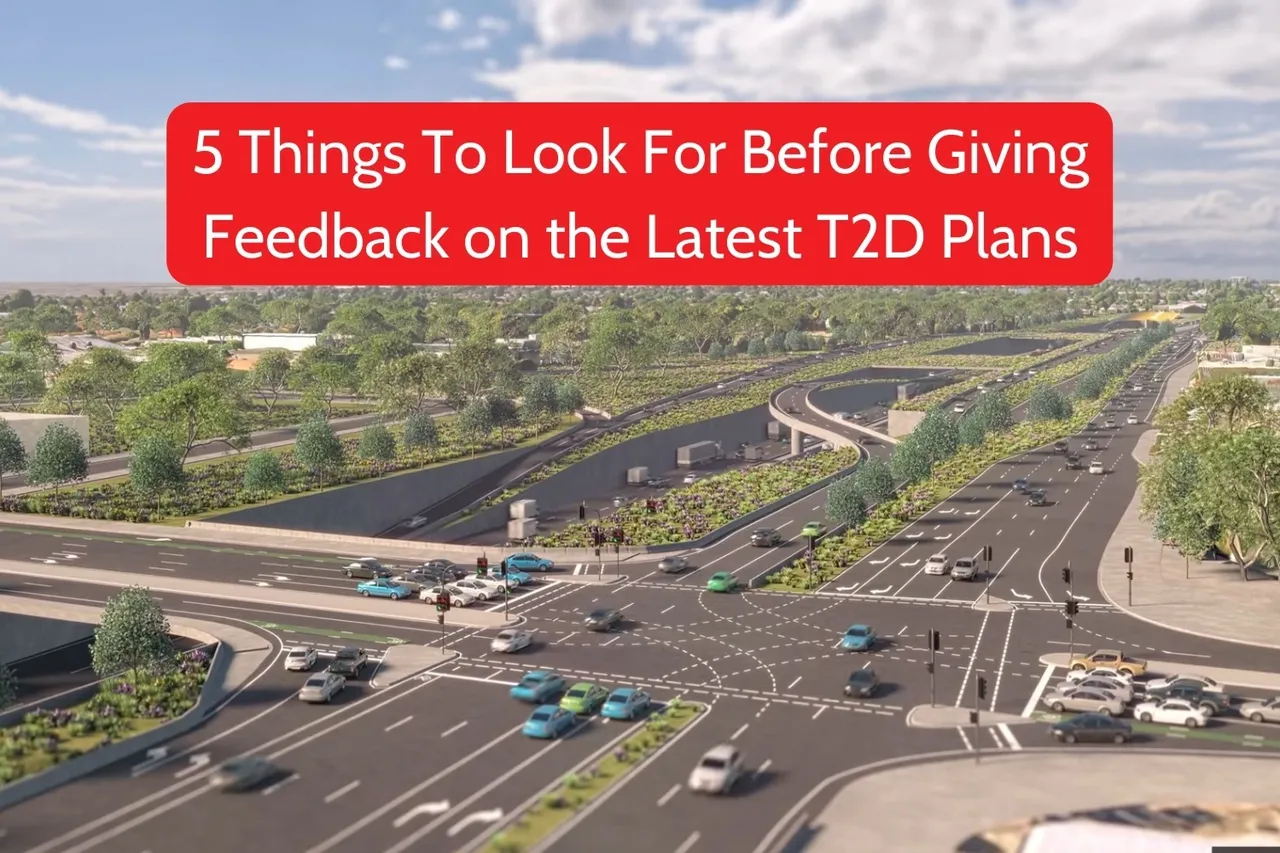
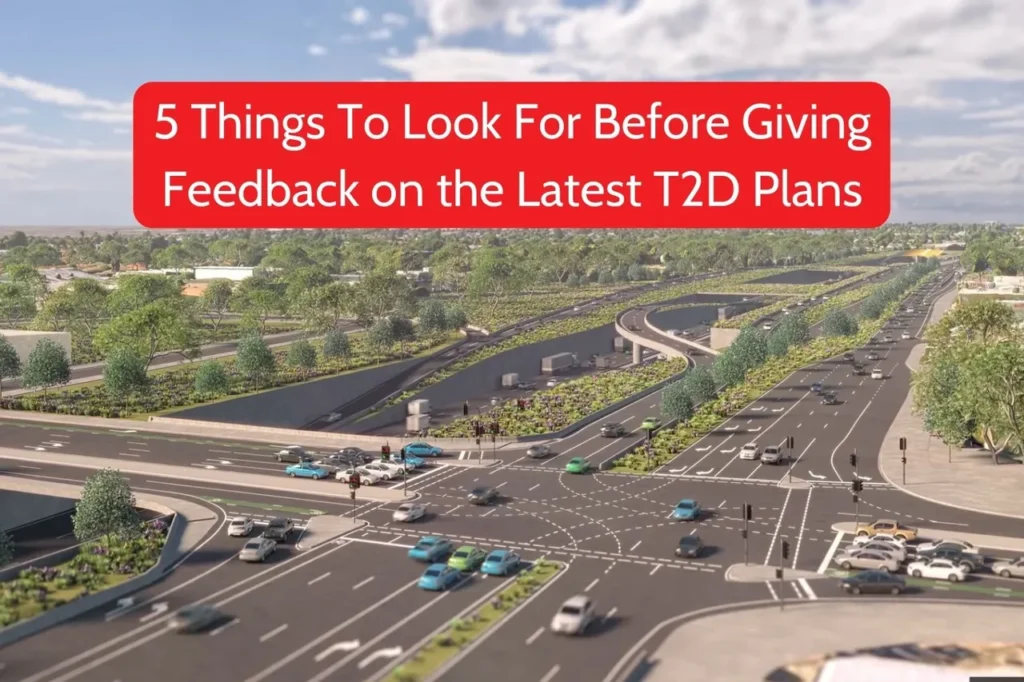
The Torrens to Darlington Project consists of two tunnels connected by an open motorway linking Darlington in the south to the River Torrens in the north.
The project will enable drivers to travel traffic light-free between Gawler and Old Noarlunga – a distance of over 78km. While a motorway like this is great news for drivers, it can make walking or cycling around the motorway much more difficult for those living near it.
The T2D Project team are now seeking feedback to develop their Local Area Traffic Management (LATM) Plans across the City of Marion, City of Unley, City of Charles Sturt, City of Mitcham, and City of West Torrens council areas. They’d like to learn about local needs and access requirements in terms of:
· Connecting to the local bike network
· Driving through the local street network
· Walking across and along South Road and through the nearby local streets
· Accessing local bus stops
You can view the current project designs and leave your feedback here and here but, before you do, here are five important points to think about in relation to cycling along the corridor.
1. What environments do you feel safe and enjoy riding in?
We know that a lot of things can put people off from choosing to cycle along a particular route or path. The biggest one is usually safety, but other factors like convenience, comfort, shade, scenery, lighting, and noise can all play a part too.
If cycling connections in and around the project corridor are not safe and suitable for the needs of riders – particularly riders who rely on the corridor to move around their local area – then the cycling infrastructure will not see much use and it will become more difficult to cycle in the area.
When reviewing the plans, ask yourself if you would enjoy riding along the route and what could be changed to increase your enjoyment and use.
Do you enjoy riding near slip lanes, where motor traffic pulls in front and behind you to turn left? If you will use the pedestrian lights to cross major intersections, will you enjoy crossing two slip lanes and two carriageways – all with different sets of pedestrian lights – to make it to the other side safely? Would you happily ride in the on-road bike lane along the surface road next to 60km/hr trucks, buses, and SUVs?
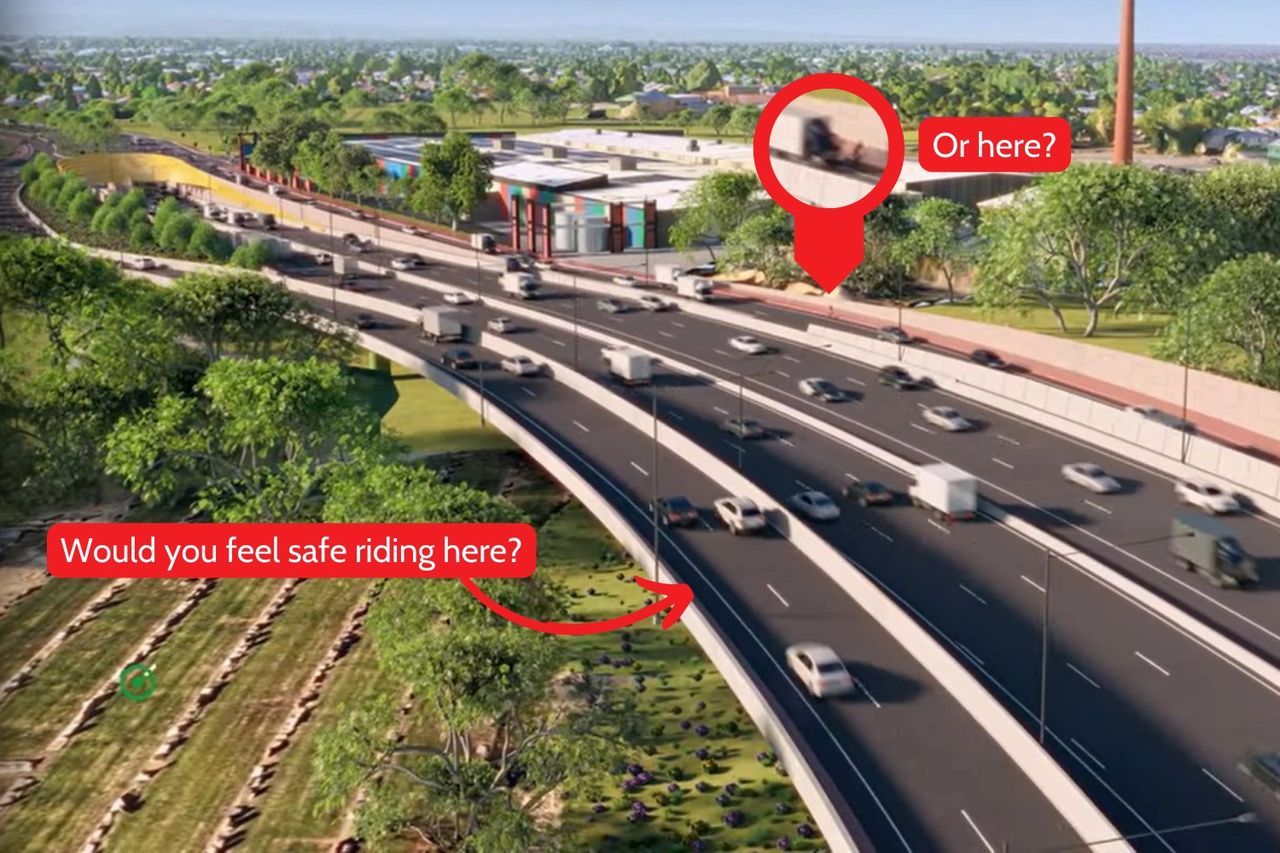
2. What opportunities exist for a safe north-south cycling route along the South Road corridor?
This is the biggest road project in Adelaide’s history and will cost over $15 billion to deliver. It will completely reshape the physical environment of South Road.
Cycling infrastructure, compared to roads, costs a small fraction of the cost to implement and maintain. Is this project, therefore, an opportunity to build a crucial north-south link for cycling as well? And what would an ideal north-south cycleway look like? Is it possible to link Darlington and the River Torrens without ever needing to ride on the road alongside cars and trucks?
3. Is the design clear enough and safe enough for all types of riders?
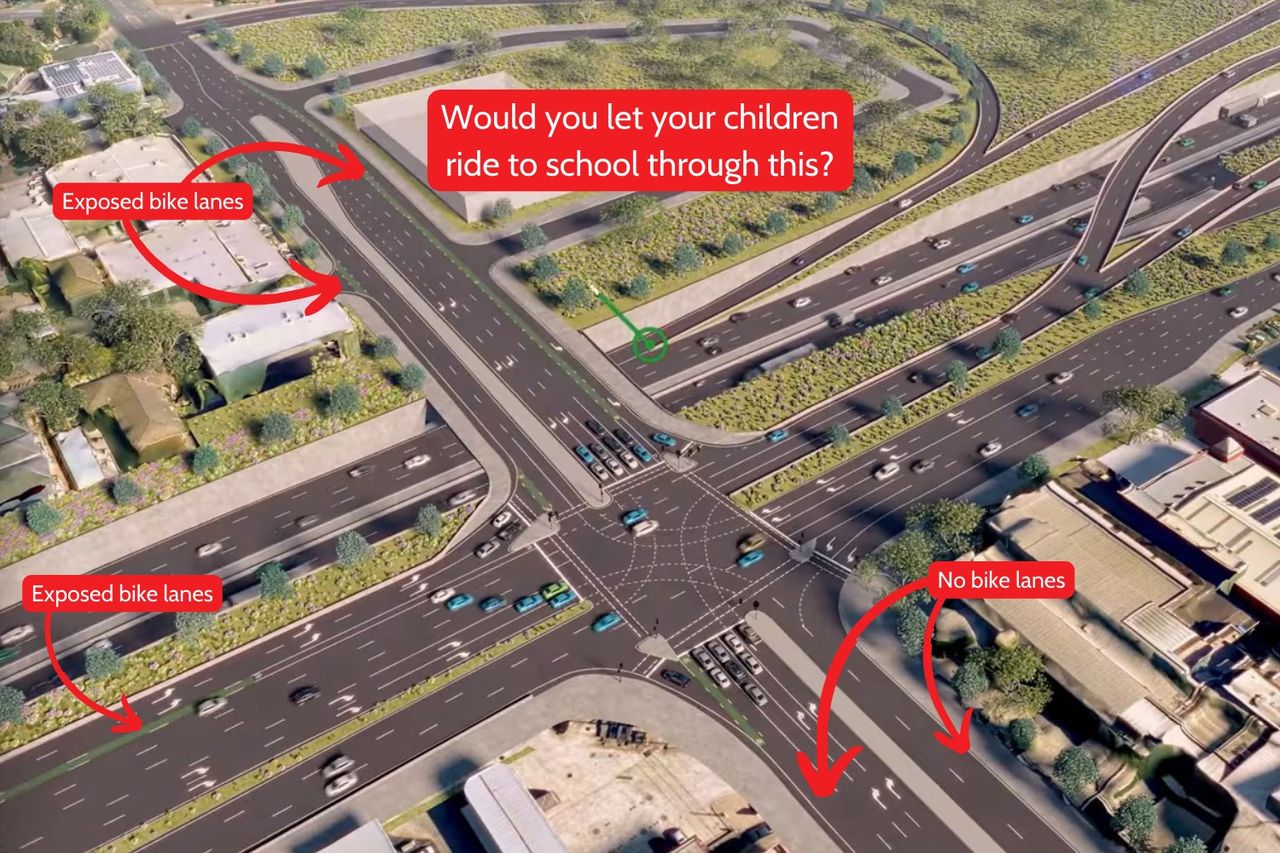
The project involves changing and ‘upgrading’ many intersections, such as those at Anzac Hwy, Railway Tce, Richmond Rd, Ashwin Pde, Everard Ave, Celtic Ave, and more. These mammoth intersection upgrades might be fine for fearless cyclists, but will put off the 90% of riders who aren’t ultra-confident.
That includes the kids and teenagers riding their bikes to school, the woman running errands on her bike, the people on their commutes from home to work, and the elderly couple riding to stay active.
What’s more, these intersections often represent the only convenient east-west crossing for many riders. Four shared-use bridges will be built along the corridor, which will be much safer to cross. But these are few and far between, leaving the less-confident riders forced to deal with the big intersections – or to simply choose not to ride at all.
Are the designs currently catering for riders aged 8 to 80? Our cycling infrastructure needs to be designed safe enough and with these people in mind if we want more people to cycle.
4. How will your east-west travel be impacted by the tunnel portals and open motorway?
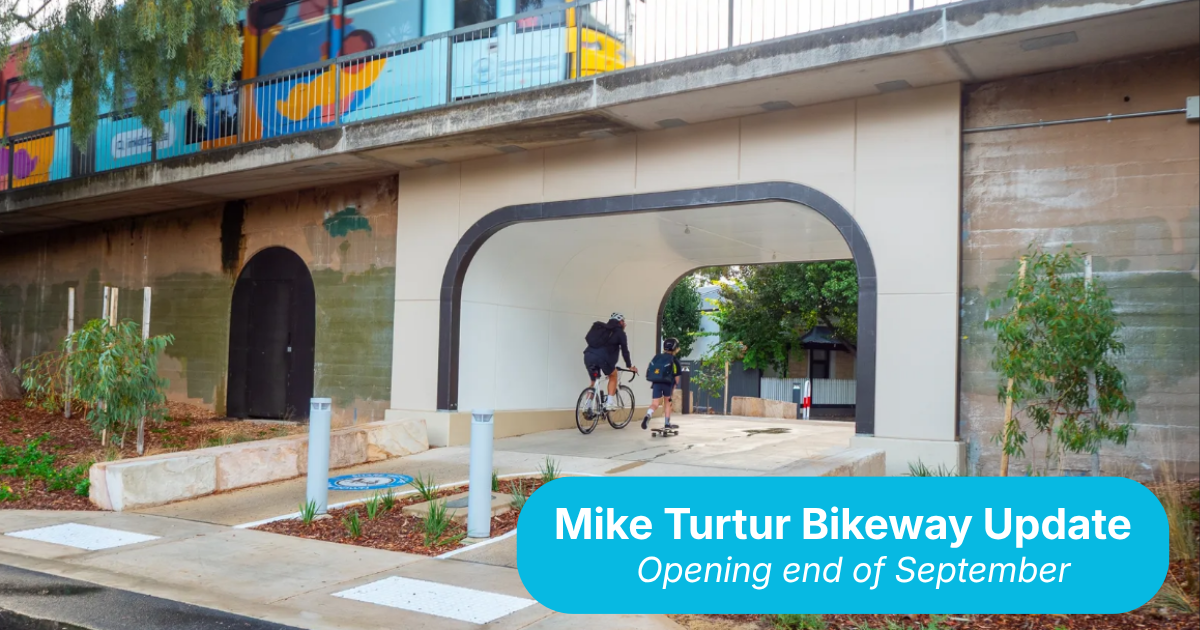
When you ride east-west, at what point do you cross South Rd most frequently? At the River Torrens? Along the overpass on the Mike Turtur Bikeway? Perhaps at Railway Tce to access the Westside Bikeway?
Dive into the plans and see how access might change for you. It might mean a detour, or it might mean contending with even more traffic than you usually do. Rather than the status quo – or an even more hostile environment – this is an opportunity to ask for safer, better, more protected east-west crossings.
5. Are the connections convenient enough?
Will the shared-use bridges deliver you to where you want to go? How will you perform turns into and out of the corridor? Will the difficulty of crossing the motorway disincentivise you from walking or cycling in your local area?
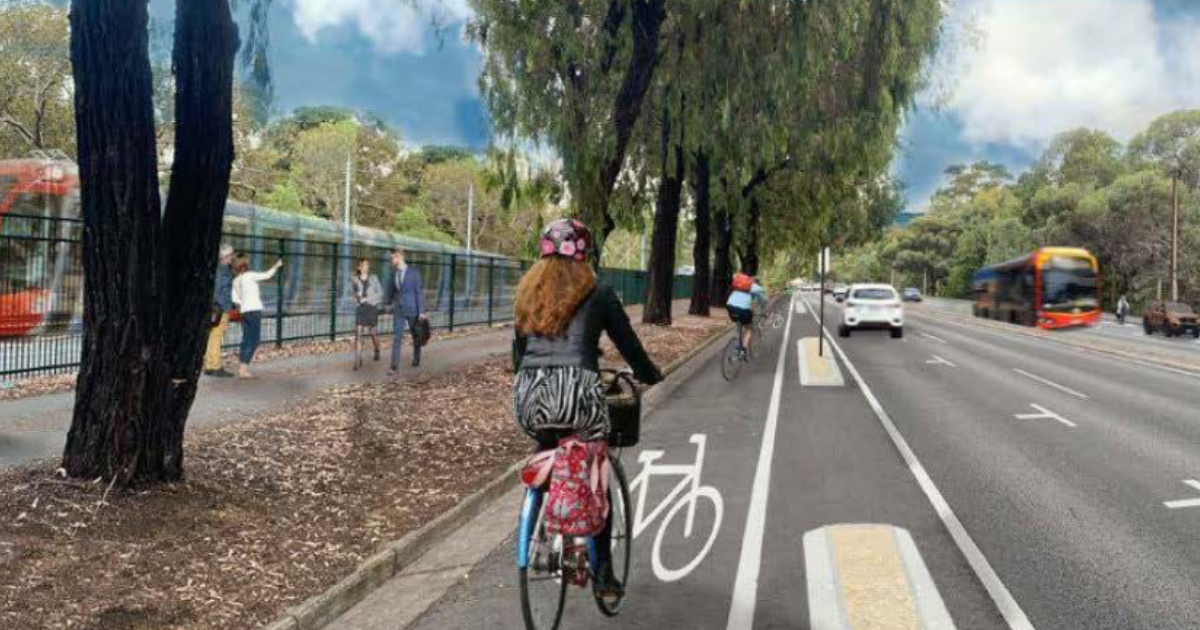
Plans currently involve painted bike lanes on the surface roads and a shared-use path alongside much of the open motorway sections. But wouldn’t it be better – for motorists, buses, and pedestrians too – if we did away with the on-road lanes and shared paths and just gave cyclists a safe dedicated cycling path?
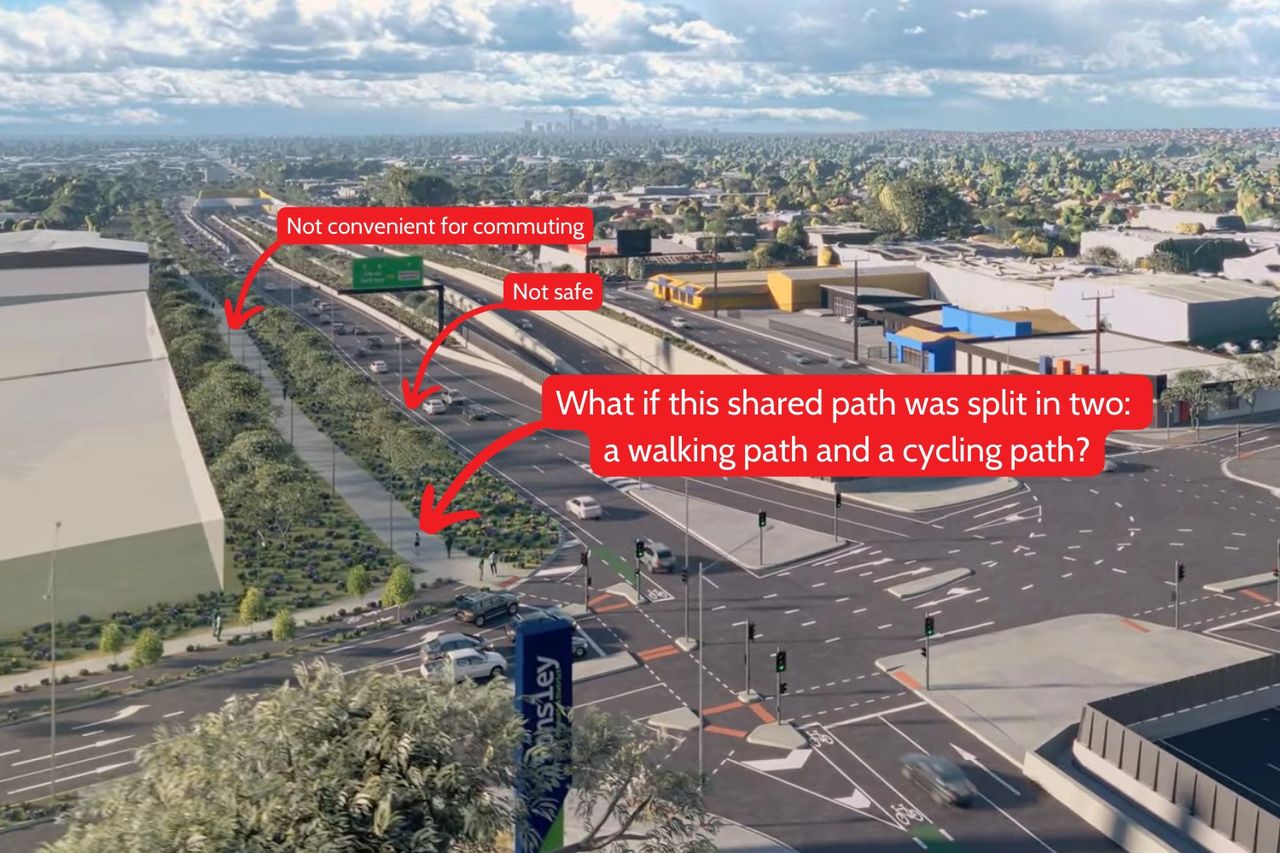
Two of the project objectives for the T2D is to “Improve the efficiency and reliability of all modes of travel for people moving north-south and east-west” and to “Improve road safety (reducing the potential for road crashes).”
If you think improvements can be made to the design to truly improve the safety, efficiency and reliability of cycling along this area, now is the time to have your say.
Consultation which will inform the Local Area Traffic Management (LATM) Plans is now available to give to the T2D Project team and closes at 5pm on Sunday 6 August 2023. Use the online map to pin location-specific comments, complete a survey, and register to attend a drop-in community information session. Learn more: https://www.t2d.sa.gov.au/news-events/whats-on/help-develop-latm-plans
As the T2D project website states, “This is a once-in-a-generation project, and it is critical that we get it right.” Once built, this project will last lifetimes. Make sure you have your say so we can cement the best possible outcome for cyclists.