our partners




Get updates on mail
address
270 Angas St,
Adelaide SA 5000
Copyright © 2026 Bicycle SA. All Rights Reserved.
270 Angas St,
Adelaide SA 5000
Copyright © 2026 Bicycle SA. All Rights Reserved.
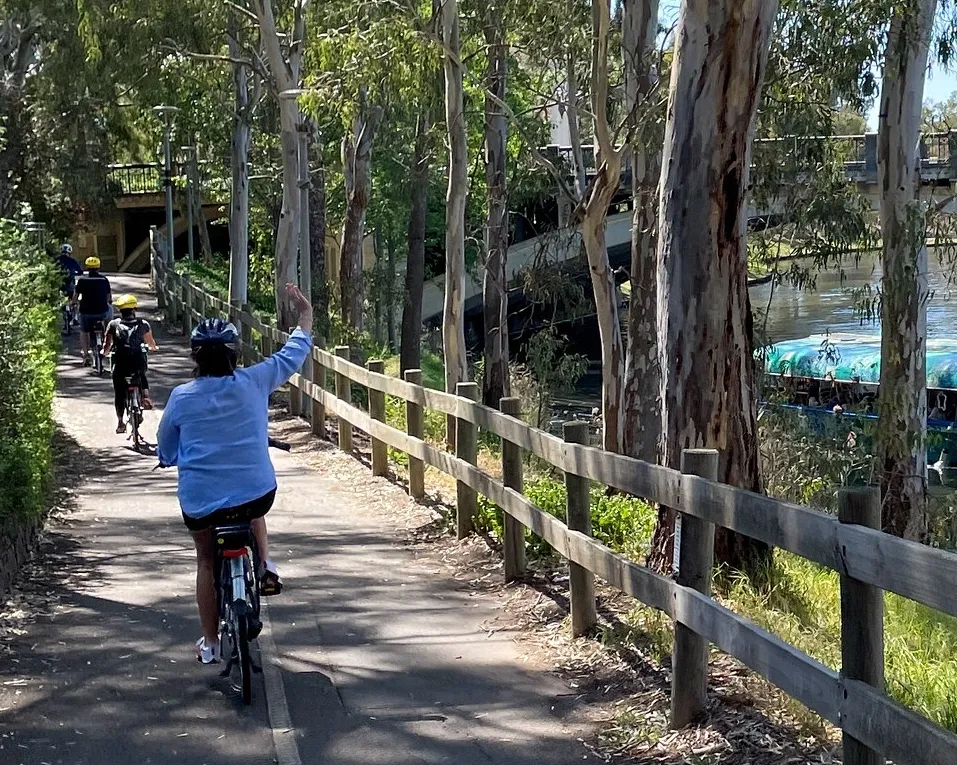
The $100 million the Federal Government committed to active transport projects in the 2024 Budget does more than just provide for those who want or need safe, effective and accessible active transport infrastructure.
It’s more than just recognition of the need to protect the environment on which our very lives depend by encouraging emissions-free transport.
It is, as an unprecedented allocation to walking and cycling in the transport budget, a stark acknowledgement of the reality of active travel as a key plank in our transport foundations and recognition that the long, myopic focus on motor vehicles is no longer valid.
Even though the money – for new as well as upgraded cycling and walking paths – will not begin to be spent until mid-2025, the flurry of applications, announcements, planning and public discussion from now and for years to come will shine a spotlight on a transport segment whose expansion will benefit not only participants but all Australians. The health, economic and environmental advantages of more people swapping SUVs for pedal power are indisputable.
It will kickstart a national conversation about how we can and should develop our cities and towns with a focus on moving people, not cars. About how we can make our streets, precincts and suburbs cleaner, quieter, safer and friendlier places.
Designing for the movement of cars instead of people for the past 75 years has led to the ludicrous situation where about 50 per cent of all car journey in Australia are of only 5km or less.
Elevating active transport to a much stronger position in our national planning conversation will not force a single person into a sweaty trip they are not willing or able to take. But by making it safe and attractive to those who are willing and able – but who are not prepared to brave existing facilities – we improve the road environment for everyone, including those who will continue to drive.
Bike SA CEO Sue Bowman welcomed the move as a crucial first step to a future where the national transport conversation is one of innovation, cooperation and diversification instead of endlessly repeating the same mistakes of the past, hoping for a different outcome.
“It’s good news to see the Federal Government take such a proactive stance to solve Australia’s transport problems,” Sue said. “But the great news is that that money will be paid back in spades thanks to the proven cost savings that active transport delivers in health, pollution and congestion reduction, and minimising road surface damage.
“Areas with more active transport and less traffic noise and danger have also been proven to be more economically successful – further showing this money to be a savvy investment.”
This is a golden opportunity where serious government action has highlighted the opportunity to break away from the status quo and join the worldwide movement of places diversifying their transport options.
We must not let it slip away from us without showing the wider Australian population that enabling clean, green active transport benefits everyone regardless of how they travel.