our partners




Get updates on mail
address
270 Angas St,
Adelaide SA 5000
Copyright © 2026 Bicycle SA. All Rights Reserved.
270 Angas St,
Adelaide SA 5000
Copyright © 2026 Bicycle SA. All Rights Reserved.
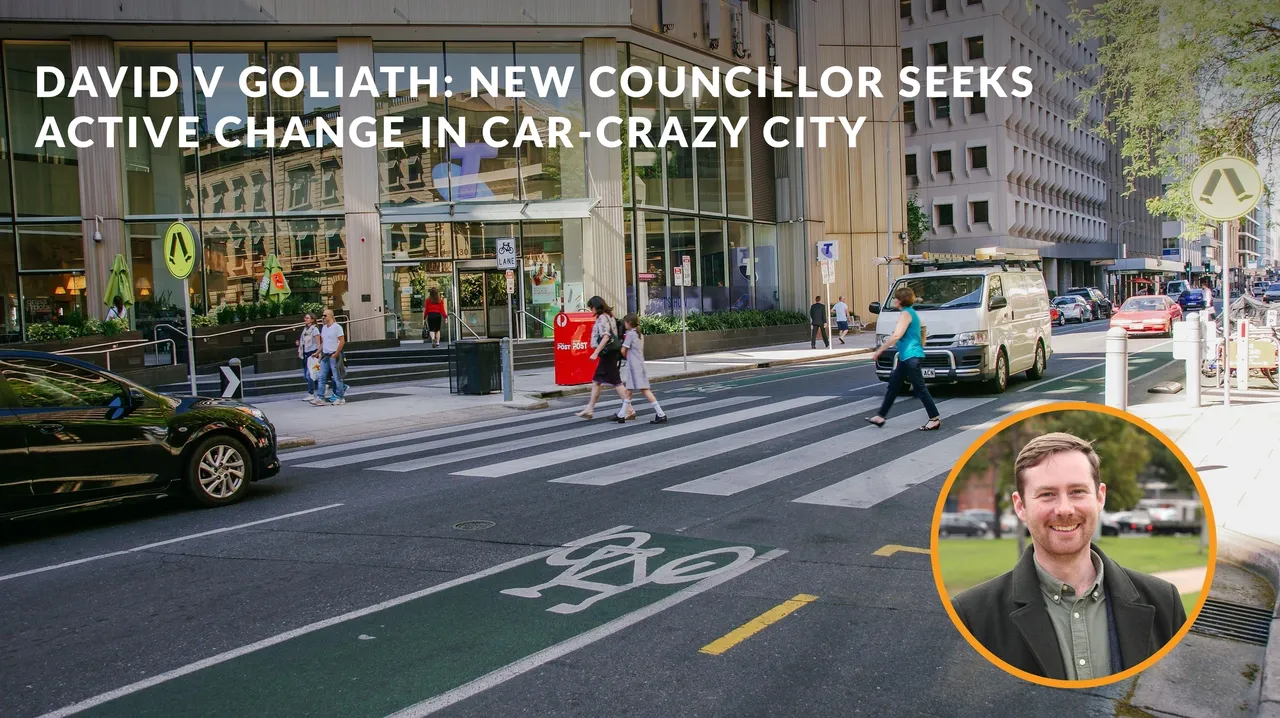
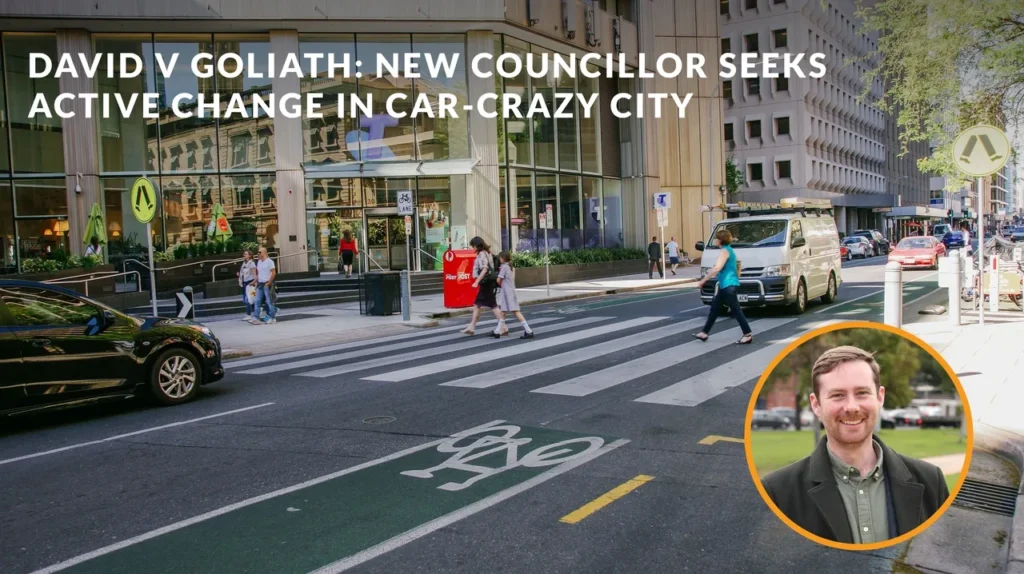
The Pirie Street zebra crossing. Adelaide City Councillor David Elliot pictured.
Over the past few years, the Adelaide City Council has done little to embrace the worldwide trend of supporting the move towards active transport that you would expect of a city with the cycling exposure and reputation Adelaide has.
In fact, with decisions like Drivers’ Month, the rejection of the East-West Bikeway and being one of the few suitable cities in the world to do nothing with pop-up bike lanes during the pandemic, it showed hostility to the notion of a city as a place for people, not cars.
Hopefully, however, the seeds of change have been sown with the election in November of Bike Adelaide chair David Elliott as a councillor in the Central Ward for the City of Adelaide.
It’s a refreshing change for cycling enthusiasts tired of a leadership group that for so long has been so resistant to change that has seemed obvious to leaders around the world, and in fact has had the benefit of seeing the successes of those other cities.
The first thing you notice about David is that he is no radical. He doesn’t even ride to work – at Parliament House as the office manager to Labor MLC Ian Hunter – because he lives so close to the office it’s simpler to just walk.
He is measured, logical, sensible – passionate but not bombastic. And his goals reflect that. He doesn’t want to banish cars, just slow them down a little. That may seem indirect from a layman’s point of view but David contends that putting the brakes on traffic correlates directly with encouraging and increasing active transport.
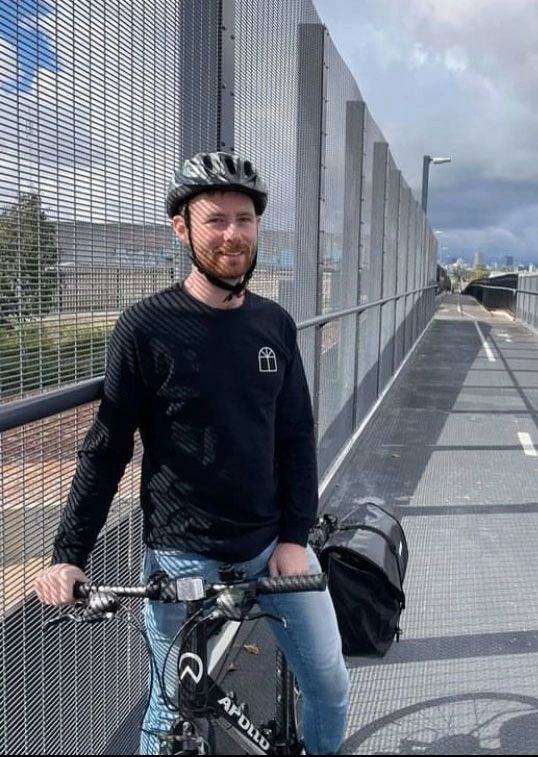
“Reducing vehicle speeds is actually one of the most important things we can do,” he said. “We’ve seen a really big increase in the rates of walking and cycling in the City of Unley which is where I started my cycling advocacy. Unley was the first metropolitan council to reduce vehicle speeds to 40km/h on residential streets and now the conversation there is starting to talk about 30km/h.
“That means that almost every residential street can be a cycling and walking street without having dedicated built or separated infrastructure. It means different forms of transport can co-exist quite easily because speed differential is the major threat to safety and it’s the major thing that causes the need for separation.
“Bringing the speed down for motor vehicles is demonstrated as really getting positive outcomes for making streets safer and more conducive to a cycling environment. Identifying different parts of the city would be a great start to figure out where we could create clusters or connected areas of lower speeds and figuring out how they fit into the broader cycling network. But preferably it would be better to have a lower default speed limit on our streets. We shouldn’t be trying to encourage more through traffic and more streets in the city to be sponges for traffic.”
And in the city with more car parks per capita than any in Australia, he doesn’t want wholesale changes to parking policy, just a less single-focused business plan for the council and to encourage people into the city via all modes of transport.
“We have people on council still who think that we need to make car parks as cheap as possible, as accessible as possible, as widespread as possible and it leads our council to being little more than a glorified car parking manager and very much reliant on that income,” David said.
“I reckon we will have some success (in diversifying transport priorities) because there are people open to exploring alternatives, knowing that the previous council really failed to deliver on any improvements. But we are stuck as an administration in relying on (car park) revenue and when that makes up 20-25% of our total revenue, we need something to replace it. For the council the very real outcome of losing car parking is there is very little to replace it (as a revenue source) right now.”
Other ideas David wants to explore are rolling out continuous footpaths to increase pedestrian priority, reintroducing automatically activating pedestrian crossings that proved successful during the Covid-19 pandemic and identifying new sites for unsignalised zebra crossings like the one at the western end of Pirie Street.
“We need to flip the thinking on its head about how we approach what has priority in the city,” he said.
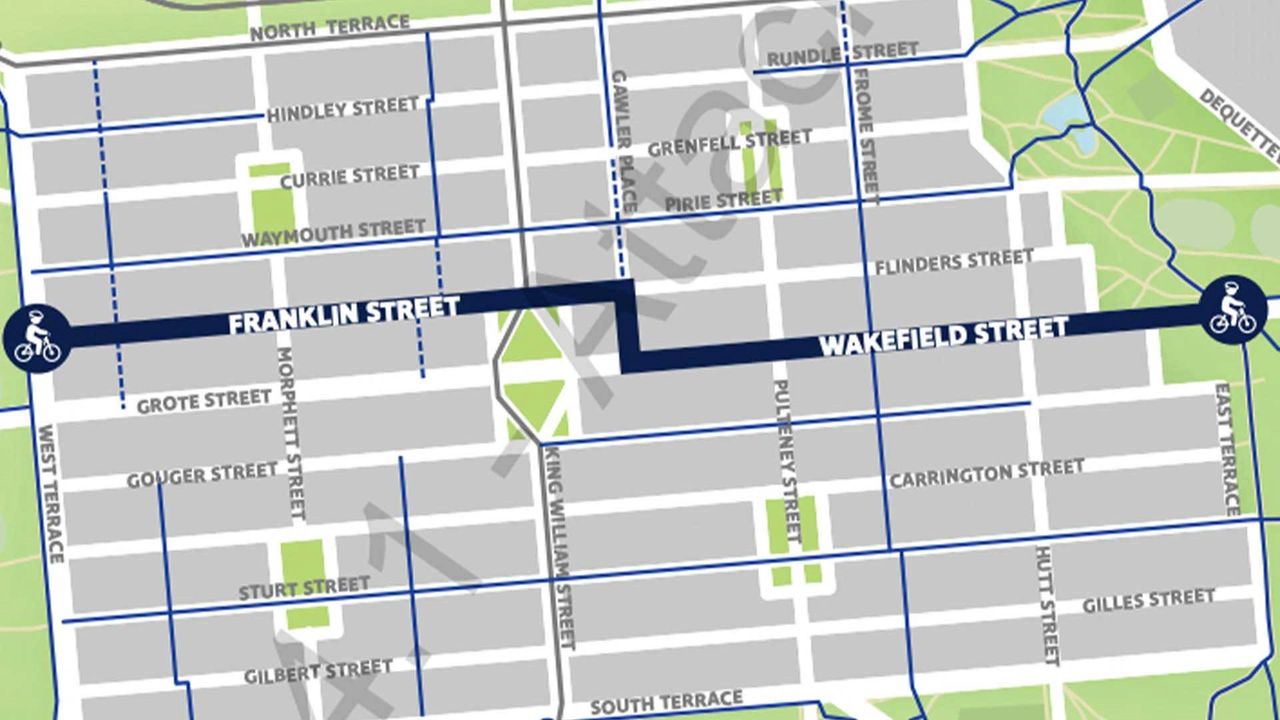
Returning the East-West Bikeway – the project “that symbolised all the failings of the previous council” – to the agenda and getting it completed is one of the metrics by which David would measure the success of his first term in council.
“That bikeway was orchestrated to fail by the people who had the decision-making powers. To get something like that completed would be symbolic of the improvement of the culture in the way council approaches transport.”
But he said it and the Frome St Bikeway also symbolised the flawed nature of our multi-modal transport planning because whereas every road in the city caters to motor transport, the bike path represents a message from the planners saying: “Here you go, here’s your one thing”.
“Probably only half of the streets have any indication it’s a shared space and even then you have to narrow it down further as to the roads that actually feel safe to use,” he said.
Other indicators he identified as ways to measure the success of his first term in council include:
“The amount of traffic creates an unpleasant atmosphere for pedestrians, cyclists, visitors, shoppers and diners, let alone the locals,” David said. “We need to consider options to reduce motor vehicle speeds, volumes and through-routes to improve visiting, living and working in the city.
“We’ve been treating the CBD like a huge interchange for cars and forgetting that people need to be able to walk in this environment. That becomes increasingly difficult when traffic is so heavy and is afforded so much priority. How can we expect people to want to visit our shops, bars, cafes, restaurants when they’re surrounded by cars?”
The good news is that everyone can join David in this challenge. The entire cycling or cycling-supportive community can be agents of change to help make our city centre a venue that prioritises people ahead of machines and bring about the changes in environment that right now are making cities around the world far more attractive for people to spend their time and money – to the benefit of the whole community, regardless of their transport preferences.
“The best thing that people can do is become a member of a cycling organisation,” he said. “Because when an organisation that you’re a part of writes to an MP or makes a submission and they say ‘on behalf of our 3000 members’ it carries some weight and it sends a clear message that there are a lot of people bound up in this and a lot of people care.
“The hardest thing for people to do the first couple of times is turn up. Come to the meetings, come to the social events, rallies or protests. They’re not scary and it’s a lot of people who care about safe cycling sharing knowledge. Turning up can feel like the hardest thing but it’s also one of the most important.”
This article first appeared in Issue No. 197 of Bike SA’s Cycle magazine.
Stay up to date with the latest happenings around SA and beyond by subscribing to Cycle and Bike SA e-News