our partners




Get updates on mail
address
270 Angas St,
Adelaide SA 5000
Copyright © 2026 Bicycle SA. All Rights Reserved.
270 Angas St,
Adelaide SA 5000
Copyright © 2026 Bicycle SA. All Rights Reserved.
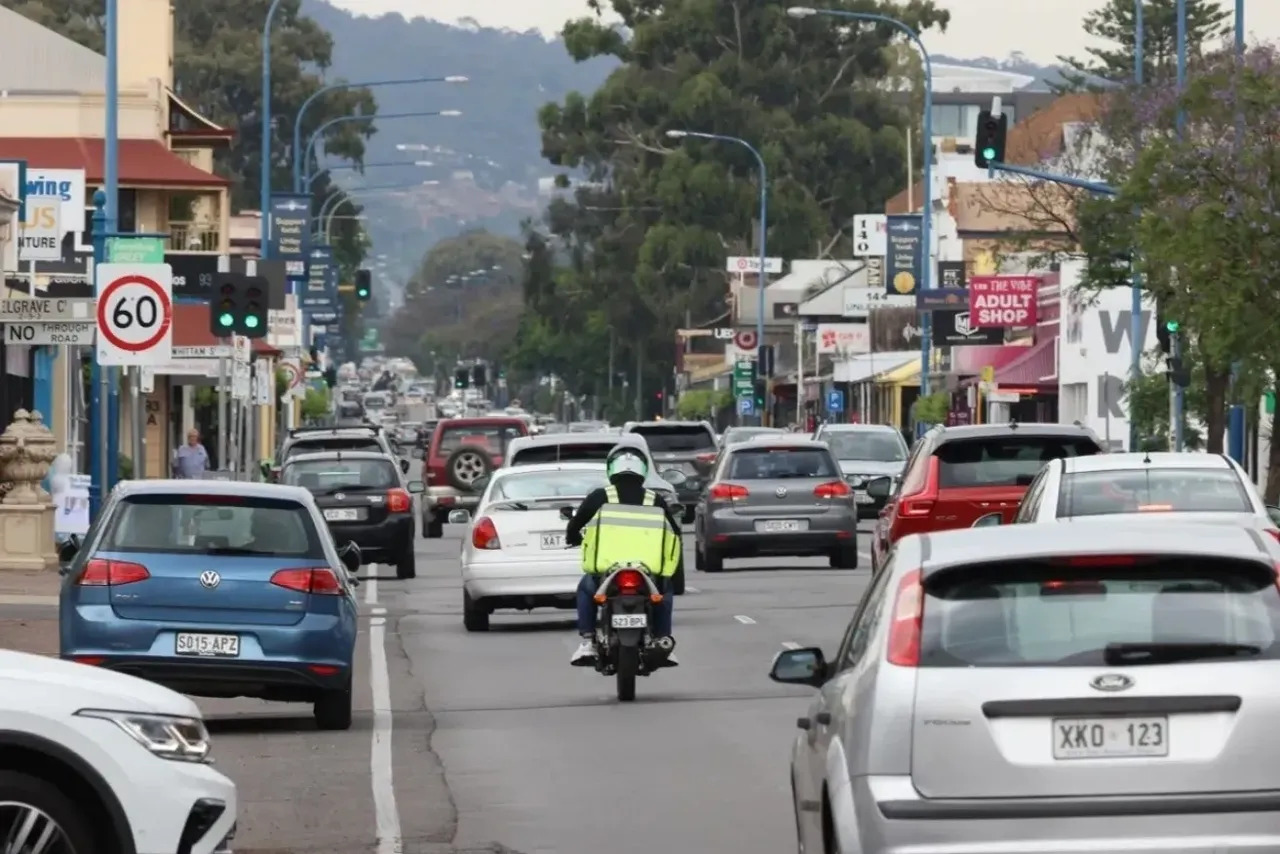
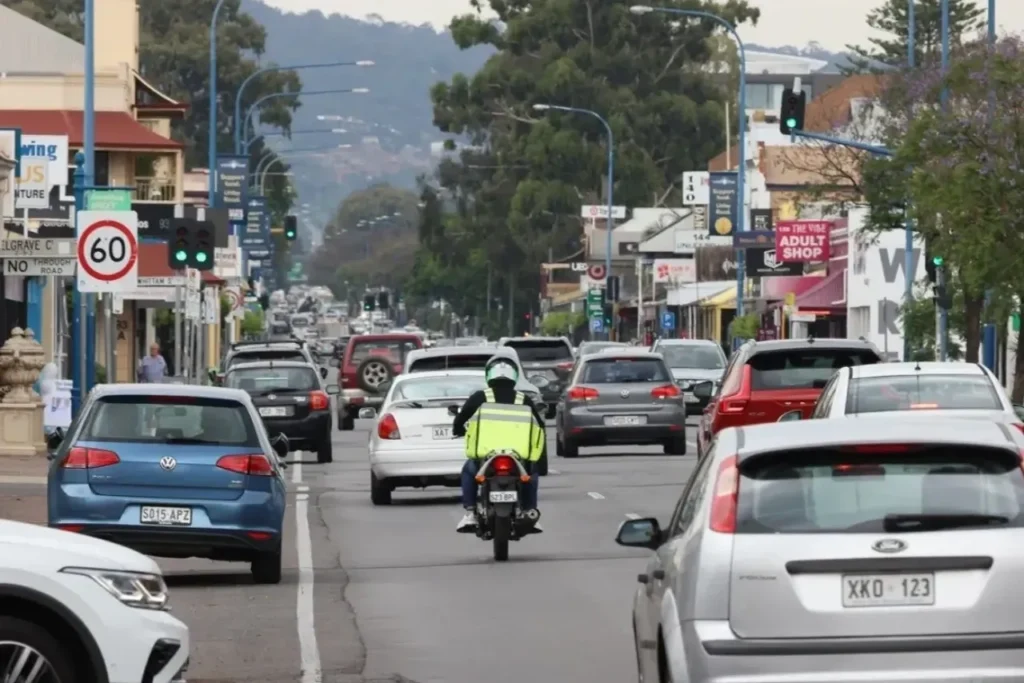
Congested Unley Road, with parked cars worsening the congestion. There is a better way.
The recent debate over the proposed removal of the Unley Road bike lane has exposed the real blood clot blocking the heart of our transportation infrastructure – inflexible thinking.
Since at least the 1950s, our road-building strategy has been dedicated to moving (and storing) the private automobile – virtually to the exclusion of all else – with public or active transport initiatives the exception rather than the norm.
Other than those cleaner and more efficient highlights, we have had, for all of that time, an obsession with moving people by private motor car – the least space-, time- and fuel-efficient method of mass transit. And throughout that time, as people have complained about worsening traffic, virtually the only solutions offered have been to devote more money and space to this least-efficient mode.
The idea of “one more lane will fix it” has never actually fixed it in the long term. Induced demand has always meant that, over time, the extra capacity has been filled and traffic has returned to the same or worse levels.
Necessity is supposed to be the mother of invention but as far as traffic and transport in Australia goes, it is the mother of insanity – doing the same thing over and over again expecting a different result.
The Unley Road bike lane needs to stay because the best way for traffic congestion to improve is for more people to have more options than just using the private motor car – with five to seven seats to usually move one person – to get where they are going.
We need to break the mould and start thinking more long-term. Electric car, driverless cars, hydrogen cars – whatever you consider under the current transport vision, congestion remains, danger remains, and pollution remains.
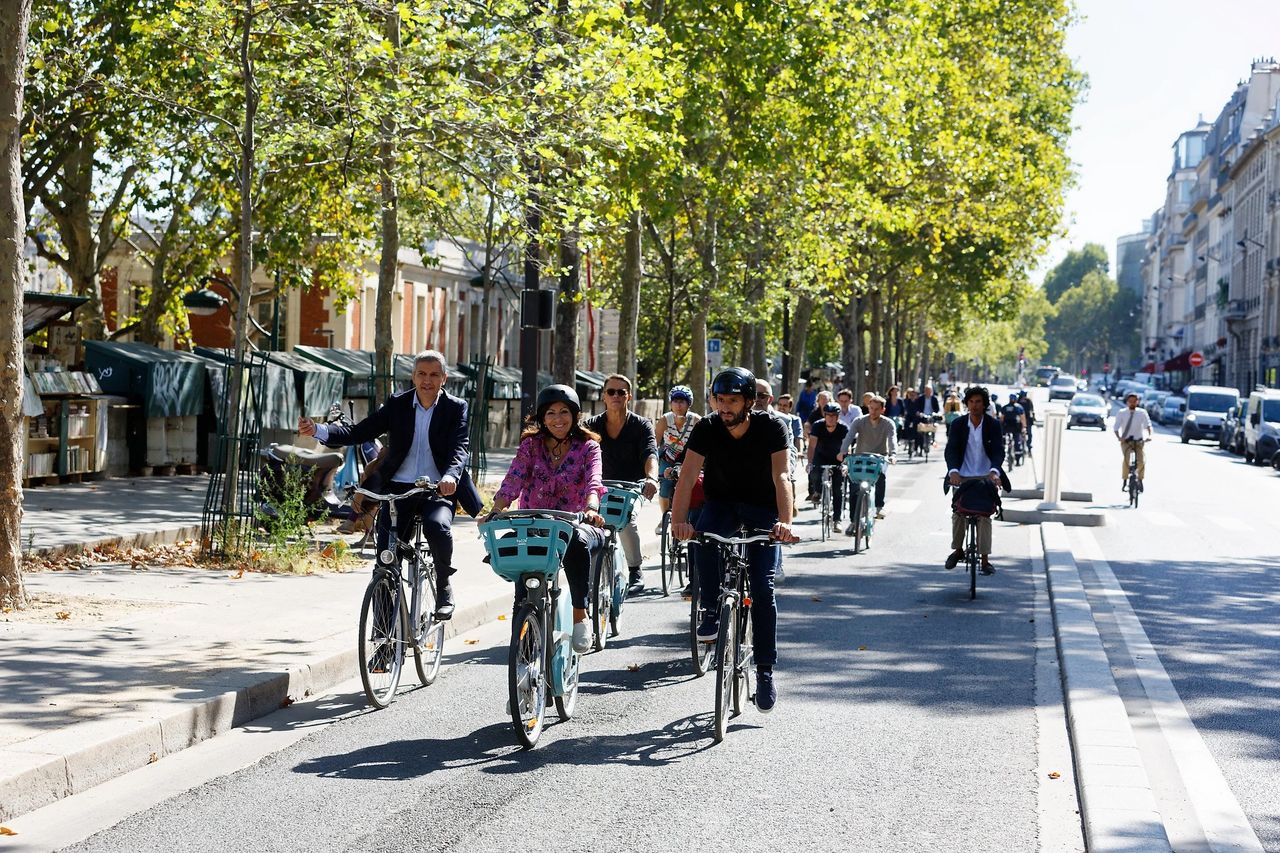
We don’t need different cars, we need fewer cars trying to use the same piece of road and the best way to achieve that is to expand public and active transit to improve transport for everyone, including those who continue to drive.
Instead of tinkering around the edges, go back to a blank slate, imagine what the most productive mix of modes would be and then build it for economic, health and environmental success for the long-term.
Real allocation of space to active transport has been overwhelmingly successful overseas. Despite the doom-and-gloom forecasts of business owners, a reduction in car parking does not ring the death knell for local commerce. To the contrary, areas that have changed to no- or low-traffic environments – in a variety of cities worldwide – have financially benefited businesses as more people come, they stay longer and they spend more.
The evidence in plentiful that cars are not singularly and irrevocably linked to spending. If they were, why is Rundle Mall Adelaide’s premier shopping precinct?
The City of Unley is beautiful, leafy, green, tranquil and a haven for cyclists. Plenty of housing is just a stone’s throw away from all the shopping precincts along Unley Road. As such, it would likely benefit more than most other metropolitan areas from having more cycling and fewer cars.
Perhaps it is the cars and their free roadside storage that should take a step back. If roads are for transport, why is so much of their valuable space set aside for free storage of personal items? In no other realm of society would such a right be presumed. You’ll have no luck trying to store a shed on the roadside.
The 21st century has brought and will continue to bring tremendous change, and we can either choose to seize the opportunities change brings and reap the benefits or watch as they sail by.
The explosion in the popularity of e-bikes and cargo e-bikes means that that riding to the shops on a silent, clean and efficient vehicle is virtually no harder than driving. Cities around the world and some here including Adelaide, Holdfast Bay and Burnside are doing what they can to make it cheaper and easier for more people to ride more often. And if we fully engage multi-modal transport by allowing more e-bikes or e-scooters onto trains, the amount that can be done – particularly for the disadvantaged – without having to endure the expense of car ownership expands exponentially, while simultaneously taking more and more cars out of the traffic queues.
One of the typical responses to a comment piece like this is: “You can’t force people to ride a bike”.
We are not trying to. We are trying to make it easier, safer and more attractive for those who do want to ride to do so. And that includes the 60 per cent of survey respondents who say they would like to ride or ride more but the don’t feel safe in the current environment.
Every one of those people on a bike is one fewer car on the road. Less pollution. Less traffic delay. Less noise. Less danger.
We are not coming for your car, we are trying to make your car journey better.
Unley is a city and a council boasting a strong association with the benefits of cycling. It is a city that should be more willing to take the bold decision instead of the oft-repeated, unsuccessful and unsustainable decision that deference to the motor car will work … this time.